Ultra-Light Carbon Spinning Reels: Specs, Setup, Care
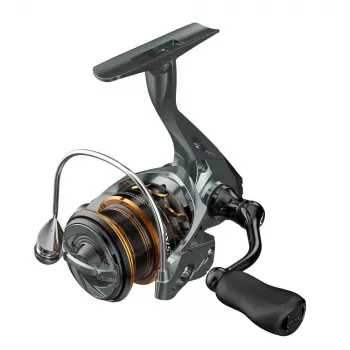
Ultra-Light Carbon Spinning Reel: Smooth Performance Without the Hand Fatigue
An ultra-light carbon spinning reel is built for long sessions, finesse presentations, and fast response—without feeling tip-heavy on lighter rods. Carbon-focused construction helps keep weight down while maintaining rigidity for consistent gearing, reliable drag pressure, and controlled line management when fishing small lures, light line, or chasing pressured fish. When the goal is clean casts, subtle lure control, and a drag that protects thin leaders, an ultra-light carbon reel can make the whole setup feel more “connected” and less tiring from the first cast to the last. For more guidance, see The Ugly Stik GX2 Combo Rod Review – Wild Outdoor.
What makes a carbon ultra-light reel different
The biggest day-to-day benefit of a lighter reel is comfort. Lower overall mass reduces wrist and forearm fatigue during high-cadence retrieves, twitching soft plastics, or constant casting—especially with ultralight rods that magnify every ounce you’re holding out in front of you. For further reading, see Carbon Fiber Telescopic Fishing Rod & Reel Combo – Spinning Kit ….
Carbon-forward components also tend to deliver a strong stiffness-to-weight balance. That stiffness matters because it helps keep the drivetrain aligned under load; when the body and rotor resist flex, the gears can stay meshed more consistently, which supports a smoother feel while fighting fish or retrieving a lure through current.
Balance is the other “hidden” upgrade. A compact, light reel on an ultralight or light-power rod often improves the overall center of gravity, making subtle takes and bottom contact easier to read. That’s why these reels are commonly chosen for finesse techniques like small jigs, inline spinners, micro crankbaits, trout and panfish lures, and certain light inshore applications where the reel is sized appropriately and cared for afterward.
Key specs to check before buying
Reel size and capacity
For true ultralight fishing, a 500–1000 class reel is a common sweet spot. A 2000 size can be a versatile crossover option if you want a bit more line capacity, slightly larger drag surface area, or a better match for longer light-power rods.
Weight vs. rigidity
Lighter isn’t always better. A reel that saves grams but flexes under pressure can feel rough sooner and may be less consistent over time. Prioritize a stiff body/rotor and smooth gearing rather than shaving every possible gram.
Gear ratio and line pickup
Mid-range gear ratios are easy to live with across many finesse techniques. Higher ratios can be helpful when picking up slack quickly—especially when drifting baits, working small jigs, or driving tiny hooks home on semi-slack line.
Drag behavior (startup + consistency)
Spool design and line management
How carbon construction affects real-world performance
Setup guide: pairing with rod, line, and lures
Rod pairing
Line choice
Leader length
Drag setting
Start lighter than expected. Thin line and small hooks usually land more fish with a smooth, forgiving drag than with brute force. If you need help dialing it in, Take Me Fishing’s guide explains a practical baseline approach to setting drag: How to Set Drag on a Fishing Reel.
Quick pairing suggestions for ultralight carbon spinning reels
| Target species & setting | Rod suggestion | Line suggestion | Notes |
|---|---|---|---|
| Trout in streams | 6’–7′ UL fast | 4–6 lb mono or 6 lb braid + leader | Prioritize smooth drag startup for light leaders |
| Panfish in ponds | 5’6″–7′ UL/L fast | 2–4 lb mono or 6–8 lb braid + leader | Small spinners and micro jigs cast easier with a well-managed spool |
| Finesse bass (clear water) | 7′ L fast | 8–10 lb braid + 6–8 lb fluoro leader | Fast line pickup helps on slack-line presentations |
| Light inshore (protected water) | 7′ L/M-L fast | 10 lb braid + leader | Rinse after use; ensure drag is smooth and sealed where possible |
Care and maintenance for long-lasting smoothness
If the reel is used around salt, give it a light freshwater rinse (avoid high pressure), dry it thoroughly, and back off the drag for storage. For deeper maintenance, Shimano’s overview is a solid reference for regular care intervals and common wear points: Spinning Reel Maintenance Tips.
Ultra-Light Carbon Spinning Reel: highlights and who it suits
For the best results, pair a true ultralight/light rod with a properly sized reel, then set drag to protect your light line and small hooks. If you’re ready to build a lightweight finesse setup, start with the Ultra-Light Carbon Spinning Reel.
More in-stock finds
FAQ
What reel size counts as ultralight for spinning reels?
Most anglers consider 500–1000 sizes “ultralight,” with 2000 as a common crossover when you want more line capacity and a slightly bigger, more versatile feel. Smaller sizes tend to balance best on ultralight rods and pair naturally with lighter lures and thinner line.
Is carbon better than aluminum for an ultralight reel body?
Carbon often delivers a strong stiffness-to-weight balance, which can help reduce fatigue without giving up gear alignment. Aluminum can be very rigid and durable, but it usually adds weight; overall build quality and internal design matter as much as the material label.
What line works best on an ultralight spinning reel?
For simple, tangle-resistant use, 2–6 lb mono or fluorocarbon is a reliable choice. For maximum sensitivity and casting distance, light braid (about 6–10 lb) with a fluorocarbon leader works well—just avoid overfilling the spool and manage twist with good spooling habits.














Leave a comment