AI Pet Training Feedback Tools: A Simple Home Guide
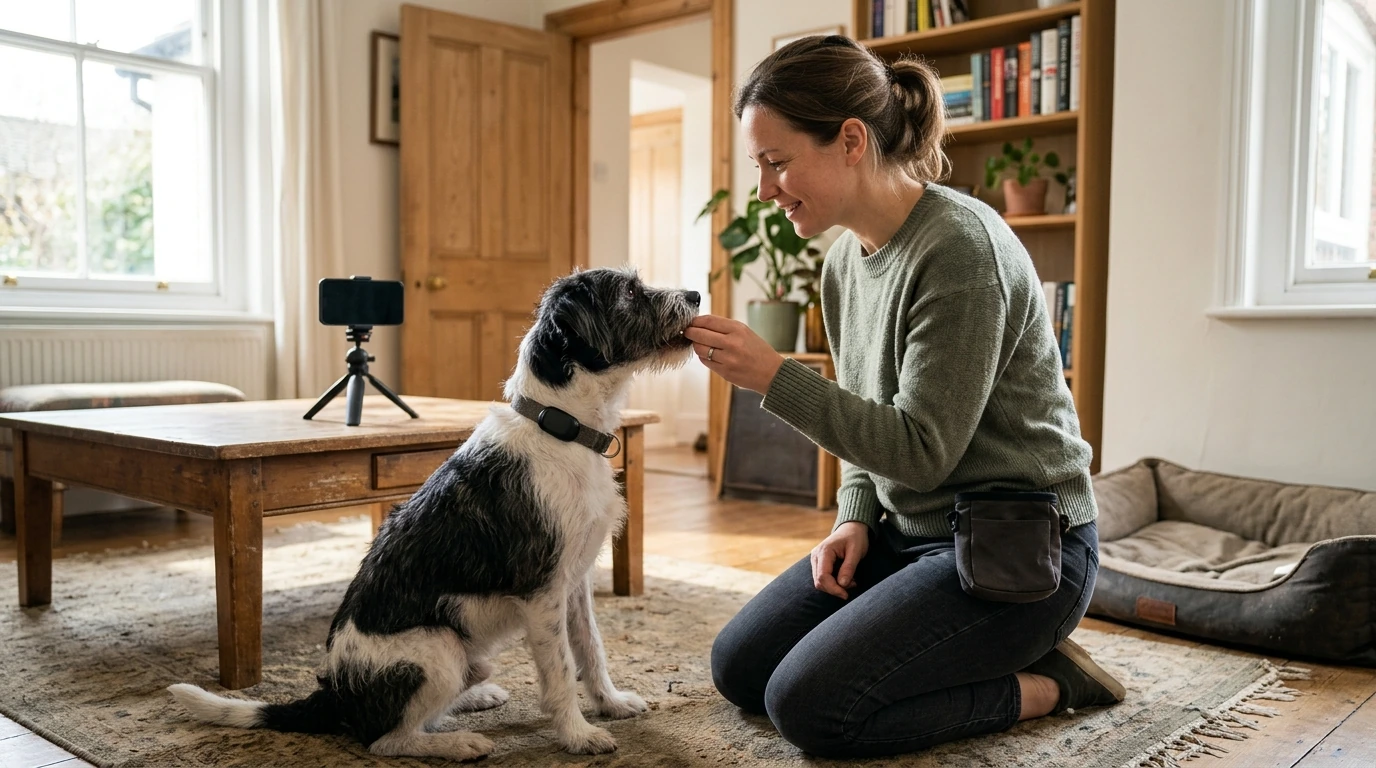
A Home Guide to AI Pet Training Feedback Tools: Smart, Data-Driven Coaching for Modern Pet Owners
AI feedback tools can help turn everyday training sessions into clear, repeatable routines by tracking timing, consistency, and patterns that are easy to miss. Instead of relying only on memory (“Was today better?”), you can capture simple measurements—like how long it takes your pet to respond, when triggers show up, and which rewards actually move the needle. Used thoughtfully, these tools support kinder, faster progress for dogs and cats without turning your living room into a laboratory.
What AI Training Feedback Tools Actually Do
At home, “AI training feedback” usually means software that translates video, audio, and activity signals into training-friendly insights. That can look like behavior counts (how often), timing (how quickly), or duration (how long).
- Convert video, audio, and activity signals into insights such as frequency of behaviors, latency to respond, and duration.
- Highlight patterns: when unwanted behaviors happen, which cues work best, and what changes after new routines.
- Support consistency by standardizing cue timing, reward timing, and session length across household members.
- Provide trendlines rather than “instant fixes”; progress is measured across days and weeks.
- Work best when paired with humane, reward-based training methods and realistic expectations.
These tools don’t “train your pet” on their own—they help you spot what’s working and make cleaner decisions. For reward-based principles and welfare-centered training guidance, see the American Veterinary Society of Animal Behavior (AVSAB) position statements and the RSPCA’s overview of reward-based dog training.
Common Tool Types for At-Home Use
Most households mix one “signal source” (camera, audio, wearable) with one “organization layer” (a log app or notes). Start simple; more sensors don’t automatically mean better results.
| Tool type | Best for | What to measure | Common pitfalls |
|---|---|---|---|
| Camera/video review | Cue timing, distance, body language | Latency, repetitions, duration, context | Over-focusing on scores instead of learning process |
| Sound/event detection | Vocalization patterns, trigger mapping | Events per hour, time-of-day, trigger correlation | Ignoring underlying needs (exercise, enrichment, medical) |
| Wearables/activity | Readiness, rest, arousal trends | Sleep/rest, activity spikes, recovery | Assuming activity equals training progress |
| Training log apps | Consistency and household alignment | Success rate per cue, reward schedule, session length | Inconsistent definitions of “success” between people |
| Smart home routines | Environment management | Trigger frequency, prevention success | Using automation to replace training rather than support it |
- Camera-based feedback: useful for reviewing your mechanics (where you stand, how quickly you mark, whether you’re accidentally luring).
- Audio-based tools: helpful for barking/meowing event maps tied to doorbells, deliveries, or departures.
- Wearables and activity trackers: can flag rest deficits or arousal spikes that make learning harder.
- App-based training logs: keep cue names, reward plans, and “success criteria” consistent across people.
- Smart home integrations: reduce rehearsals by managing triggers while training catches up.
Set Up a Simple Data-Driven Training Baseline (First 7 Days)
The quickest way to get value from AI feedback is a baseline week. It prevents the classic trap of changing five things at once and not knowing what helped.
- Pick one priority behavior to change (jumping, leash pulling, barking at the door, counter surfing, or for cats, supporting routines that reduce stress around litter box use).
- Define it in observable terms. Example: “Jumping = front paws leave the floor within 3 feet of a visitor.”
- Collect baseline data without trying to fix everything. Track frequency per day, typical triggers, and how long it takes your pet to recover.
- Keep sessions short (1–5 minutes). Track: cue given, response within a set time window, reinforcement delivered, and a quick distraction note.
- Add context tags: time of day, location, people present, distance to trigger, and your pet’s arousal level (calm/alert/over threshold).
If something changes suddenly (new aggression, hiding, appetite shifts, pain signals), treat the data as a clue—not a diagnosis—and involve a veterinarian. The American Animal Hospital Association (AAHA) behavior resources are a practical starting point for when to seek help.
Turn Feedback Into Better Training Mechanics
Data becomes useful when it changes what you do next session. Focus on mechanics first—timing, clarity, and difficulty—because those move trends faster than adding more repetitions.
Practical Home Workflows That Keep It Manageable
Daily micro-routine (under 10 minutes)
Weekly review (10–15 minutes)
Household alignment
Environment management that supports learning
Privacy, Safety, and Ethical Use at Home
A Step-by-Step Companion Guide for Using AI Feedback at Home
If you want a ready-to-follow structure, consider A Home Guide to AI Pet Training Feedback Tools | Smart, Data-Driven Pet Training Guide for Modern Pet Owners.
Optional Add-Ons for a Smoother Home Routine
- Easy Holiday Potluck Bundle on a Budget – 3-in-1 Digital Download (useful for planning busy weeks so training doesn’t get skipped).
- Porcelain Dinnerware Set (a practical refresh for high-use kitchens where treat prep and feeding routines happen).
FAQ
Do AI pet training tools work for both dogs and cats?
Yes, but results depend on matching the tool to the species and the behavior. Cats often benefit most from routine/trigger tracking and environment adjustments, while dogs may use more cue-and-reward repetition.
How long does it take to see progress using data-driven feedback?
Many households notice clearer patterns within 1–2 weeks, while meaningful behavior change often takes several weeks. Trendlines across days matter more than one great (or rough) session.
Can these tools replace a professional trainer or behaviorist?
They can strengthen consistency and improve tracking, but they aren’t a substitute for professional support in cases like aggression, severe anxiety, or sudden behavior shifts. In those situations, involve a qualified trainer/behaviorist and/or your veterinarian.















Leave a comment