Gentle Pet Weight Loss: 3-in-1 Bundle Plan
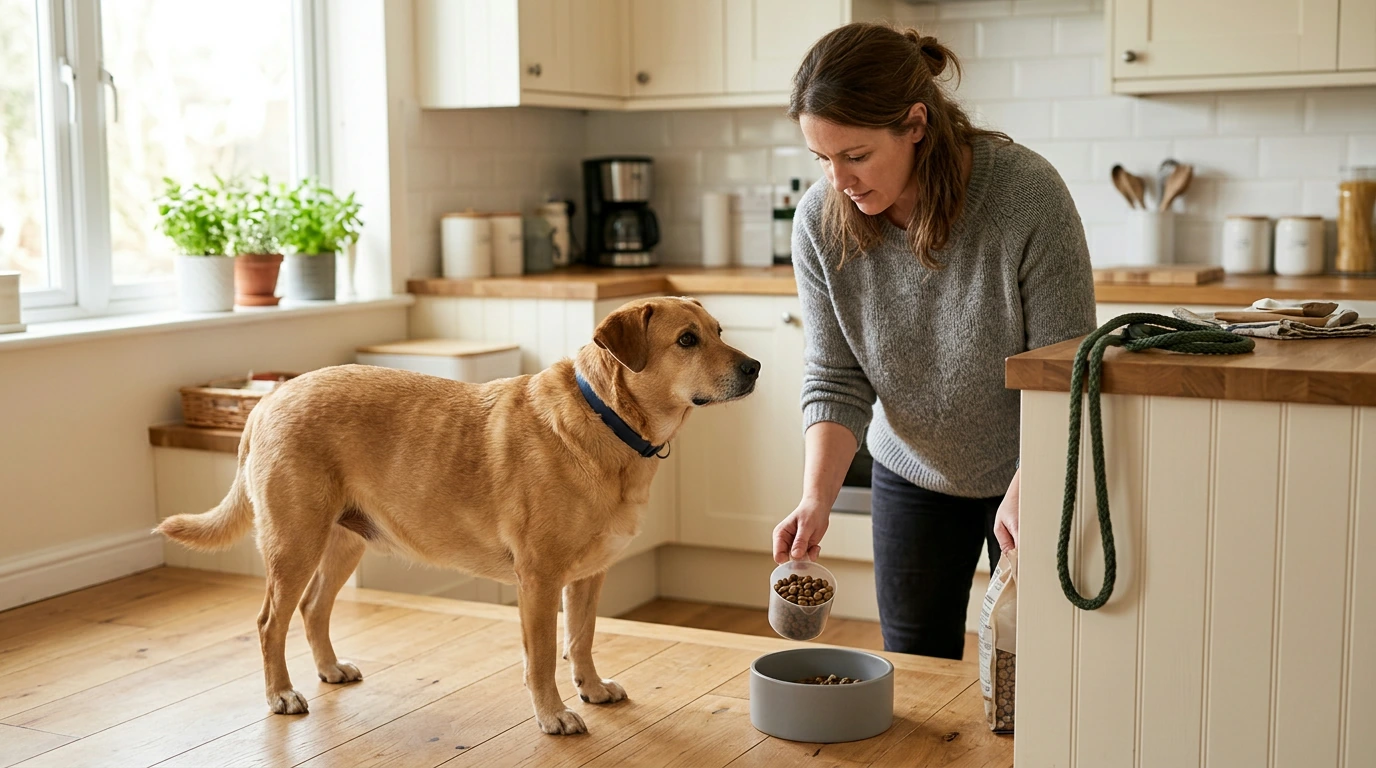
The Gentle Pet Weight-Loss System in Bundle for Overweight Pets: A Kind, Step-by-Step Reset
Extra pounds can quietly change how a pet moves, rests, and plays. A gentle approach focuses on steady progress—supporting healthier routines without harsh restriction or stressful “all-at-once” changes. Our team built The Gentle Pet Weight-Loss System: 3-in-1 Bundle for Overweight Pets around that idea: practical structure, consistent habits, and measurable check-ins so weight management feels doable for you and your whole household.
When “a little extra” starts to matter
Many pets carry weight for a while before it clearly impacts their daily comfort. Common signs include tiring faster on walks, reluctance to jump, stiffness after rest, heavier panting with mild activity, and reduced interest in play. These aren’t character flaws; they’re often simple feedback that the body is working harder than it should.
Gentle changes matter because rapid cutbacks can backfire—more begging, more “just this once” exceptions, and mixed follow-through between family members. Gradual adjustments tend to be easier to stick with, which is what creates lasting results. The goal also goes beyond the scale: easier movement, better stamina, improved body condition, and a more comfortable everyday routine.
A smart starting point is a body condition score (BCS) check with your veterinary team to set a safe target and timeline. For background reading, the American Veterinary Medical Association (AVMA) overview on pet obesity and the WSAVA Body Condition Score resources are excellent references.
What the 3‑in‑1 bundle is designed to solve
Most weight-loss attempts fail for practical reasons, not because you don’t care. Over time, “small” inconsistencies pile up: unmeasured scoops, treat creep, skipped walks, and the confusion of not knowing what to change when progress slows. Our bundle is designed to reduce that friction by supporting a repeatable routine for feeding, movement, and tracking.
- Decision fatigue: replaces guesswork with a clear rhythm you can follow.
- Inconsistent portions: helps households stick to planned amounts and avoid unplanned “extras.”
- All-or-nothing exercise: encourages low-impact movement that builds consistency before intensity.
- Motivation gaps: uses small weekly milestones and simple check-ins to keep momentum without pressure.
| Routine piece | What it helps with | What “gentle” looks like |
|---|---|---|
| Portion plan | Reduces accidental overfeeding | Smaller, consistent adjustments instead of sudden cuts |
| Daily movement plan | Builds endurance safely | Short sessions that add up over time |
| Progress check-ins | Keeps goals realistic | Weekly trend tracking rather than daily scale stress |
How to start without triggering stress or begging
The first week is where most households feel pushback—usually because pets notice change before they understand it. We recommend choosing one shift first (often portions or treat rules) and stabilizing it for a full week before adding a second change. That gives you a clean baseline.
- Create a treat budget: reserve a measured amount of daily calories/food for rewards so you don’t accidentally stack “bonus” snacks.
- Use slow-feeding tactics when needed: split meals into smaller portions, use puzzle feeding, or spread food out to slow eating pace.
- Plan “high-value attention” swaps: play, brushing, and short training cues can replace treat-driven attention loops.
- Coordinate the household: one written rule for treats and table food prevents mixed messages.
Movement that protects joints and keeps pets willing
For heavier pets, movement should feel achievable—not like a daily struggle. Start where your pet is today: sniff walks, gentle play, and controlled indoor games often work better than forcing long sessions. Multiple 5–10 minute blocks can be easier than one long walk, especially when conditioning is low.
| Stage | Goal | Example sessions | When to move up |
|---|---|---|---|
| 1 | Consistency | 2–3 short walks/day or short indoor play blocks | Pet finishes comfortably and is eager next session |
| 2 | Duration | Add 2–5 minutes to one session every few days | No soreness or fatigue the next day |
| 3 | Intensity | Introduce brief faster segments or extra play reps | Breathing normalizes quickly and movement stays smooth |
Tracking progress that actually predicts success
Who this bundle fits best (and when to involve a veterinarian first)
Getting the most from The Gentle Pet Weight‑Loss System: 3‑in‑1 Bundle
If you’re building a more organized home routine around your pet’s plan, you may also like our other structured guides for household planning, such as Easy Holiday Potluck Bundle on a Budget – 3-in-1 Digital Download and Is Carsharing the Right Choice for You—anything that reduces day-to-day friction can make consistency easier to maintain.
FAQ
How quickly should an overweight pet lose weight?
Safe weight-loss rates vary by species, size, and health conditions, so your veterinary team is the best source for a target range. Aim for steady trends and comfort improvements rather than rapid loss that can trigger stress, hunger-driven behaviors, or setbacks.
How can treats stay in the plan without slowing progress?
Use a daily treat budget and measure it just like meals, so rewards don’t become untracked calories. Many pets do well when part of their regular food is reserved for training, and “extras” are replaced with non-food rewards like play or attention.
What if progress stalls after a few weeks?
Re-check portion accuracy first, then look for hidden calories (extra treats, table scraps, multiple people “sneaking” snacks) and inconsistent activity. If the stall persists, adjust one variable at a time and involve your veterinarian to rule out medical factors or pain that limits movement.
















Leave a comment