4K HDR Hasselblad Drone: Pro Video and Longer Flight
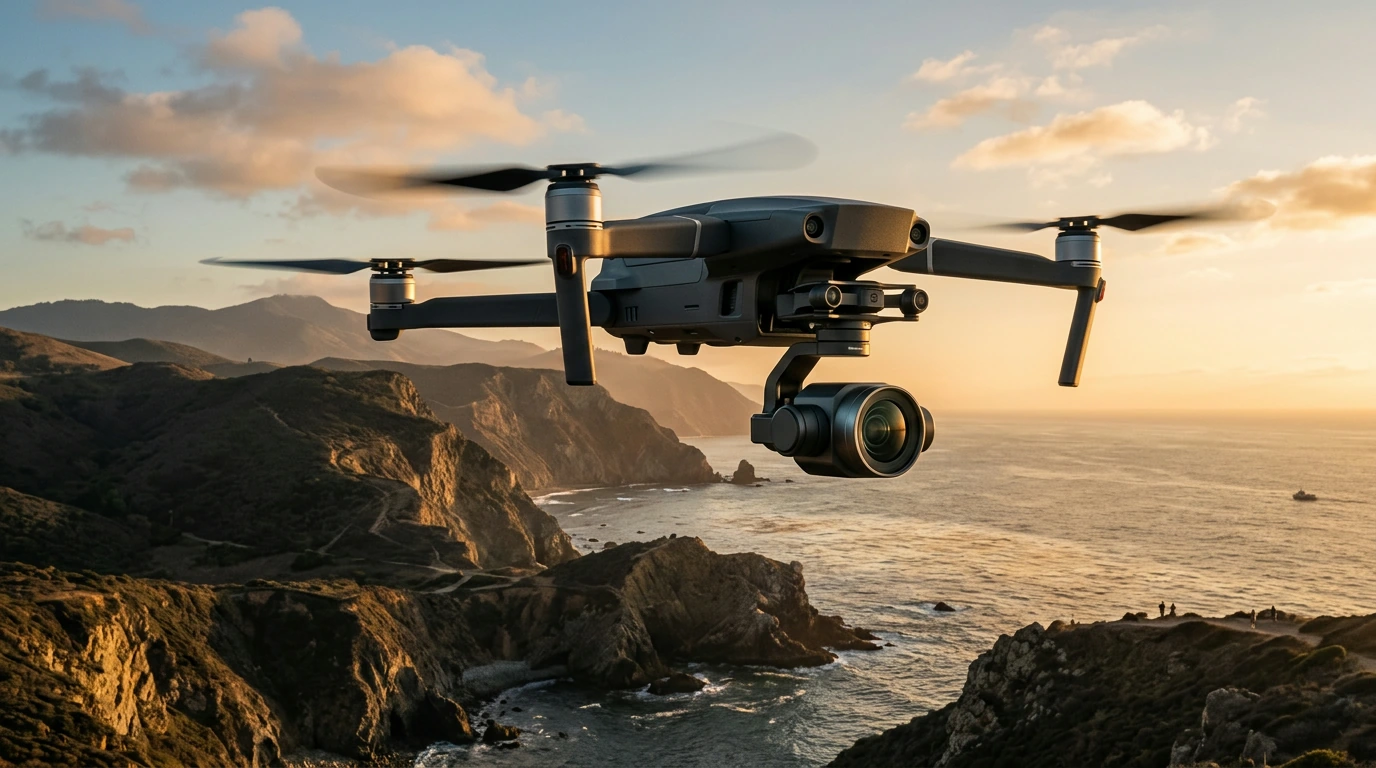
4K HDR Professional Drone with Hasselblad Camera and Extended Flight Time
A professional-grade drone built for clean 4K HDR capture and longer airtime makes it easier to plan cinematic passes, map out complex shots, and come home with usable footage instead of rushed clips. This guide breaks down what matters most—camera performance, flight endurance, control and safety features, and practical buying and operating considerations for serious creators and commercial pilots.
If you’re ready to compare specs and current availability, start with the product page: 4K HDR Professional Drone with Hasselblad Camera and Extended Flight Time.
Who This Drone Fits Best
- Cinematic creators who want consistent color, strong dynamic range, and smoother highlight handling in bright skies
- Real estate and construction teams needing repeatable passes and fewer battery swaps during site coverage
- Travel and landscape shooters prioritizing longer sessions to wait for changing light and weather gaps
- Commercial operators who value stable flight behavior and reliable return-to-home behavior (confirm features in the listing)
It’s a strong match when the goal is predictable, repeatable footage—especially in scenes where skies, water reflections, or mixed shade/sunlight usually force compromises.
Hasselblad Camera: What to Pay Attention To
- 4K HDR capture: look for usable detail in both shadows and bright cloud highlights, not just a “HDR” label
- Color handling: aim for natural skin tones and realistic greens/blues; check whether the drone supports a flatter profile for grading (if listed)
- Lens behavior: watch for edge softness and distortion on wide aerial shots; consistent sharpness reduces post-fixes
- Stills workflow: confirm photo formats supported (JPEG/RAW if specified) and whether bracketing is available for high-contrast scenes
- Stabilization: a properly tuned gimbal matters as much as the sensor—especially when wind picks up
For commercial deliverables, what matters is less about brand recognition and more about whether the full imaging pipeline stays consistent: exposure behavior, white balance stability, sharpening/NR processing, and gimbal steadiness during braking or quick yaw changes.
Extended Flight Time: What It Enables in Real Shooting
- More complete sequences: longer airtime supports establishing shots, mid-range orbits, and tighter push-ins in one continuous take
- Safer margins: extra minutes help avoid rushed landings when wind, signal, or location constraints appear
- Coverage efficiency: fewer battery changes improve consistency when matching light across multiple angles
- Operational reality check: real-world time varies with wind, temperature, payload, speed, and aggressive maneuvers; plan conservative reserves
In practice, “extended flight time” is most valuable when it reduces pressure. Instead of forcing a shot at the wrong moment, you can hold position, wait for traffic to clear, or repeat a move until it’s smooth—then still have enough battery to return calmly.
Flight Control, Signal, and Safety Features to Confirm
- Return-to-home behavior: verify how it triggers (low battery, signal loss) and whether altitude is adjustable
- Obstacle awareness: if listed, note directions covered (front/back/down) and whether it is avoidance or warning-only
- Wind handling: stable hover and predictable braking matter for smooth footage; practice gentle inputs for cleaner motion
- Controller ergonomics: check screen/phone mounting, button mapping, and whether exposure controls are accessible without menu diving
- Geofencing and no-fly compliance: understand how the drone indicates restricted zones and what the app requires before takeoff
Before a paid shoot, test these behaviors in an open area: confirm the home point updates correctly, verify the return altitude clears local obstacles, and do a slow signal-range check (without pushing limits) so you know what “normal” looks like.
Practical Shooting Scenarios (Shot Plans That Benefit From HDR + Long Airtime)
Key Specs and Buying Checklist
Quick Comparison Checklist for a 4K HDR Drone Setup
| Category | What to verify | Why it matters |
|---|---|---|
| Camera output | 4K options, HDR mode, photo formats (if listed) | Determines image flexibility and editing headroom |
| Stabilization | 3-axis gimbal and tilt range | Reduces jello/shake and improves smooth cinematic motion |
| Flight endurance | Rated vs expected real-world time | Affects how many shots fit into a single sortie |
| Safety | Return-to-home and any obstacle sensing details | Reduces risk when signal drops or battery runs low |
| Workflow | App compatibility and control access to exposure/white balance | Speeds up on-location setup and repeatable looks |
| Ownership costs | Battery pricing/availability, spare props, warranty | Impacts long-term operating budget |
Setup Tips for Better Footage on Day One
Legal and Safety Basics to Review Before Flying
For official guidance, review the FAA’s drone safety resources at FAA — Fly UAS (Drones) and commercial rules at FAA — Become a Drone Pilot (Part 107). For background on Hasselblad imaging heritage, see Hasselblad — Official Site.
Available in Store
- 4K HDR Professional Drone with Hasselblad Camera and Extended Flight Time
- Porcelain Dinnerware Set
- Is Carsharing the Right Choice for You – Practical Guide Exploring for Smarter, Cheaper, Greener Transportation Decisions
FAQ
How much flight time should be expected in real conditions?
Advertised endurance is measured in ideal, low-wind conditions, so real flight time is typically shorter. Wind, cold temperatures, faster cruising, and aggressive maneuvers can reduce minutes quickly, so plan to land with a safety reserve rather than flying to 0%.
Does 4K HDR make a noticeable difference for aerial video?
HDR can help retain detail in bright skies while keeping shadow information in buildings, trees, and terrain—especially during sunrise/sunset or midday contrast. The benefit depends on how HDR is implemented, how you expose the shot, and whether you grade or deliver straight out of camera.
Is a Hasselblad-branded camera automatically better for drone footage?
Not automatically. Brand heritage can suggest strong color science and optics priorities, but final results still depend on the sensor, lens quality, processing, and gimbal performance, so it’s smart to compare listed specs and sample footage when available.













Leave a comment