Vibration Plate for Pain Relief, Sleep & Fat-Burning
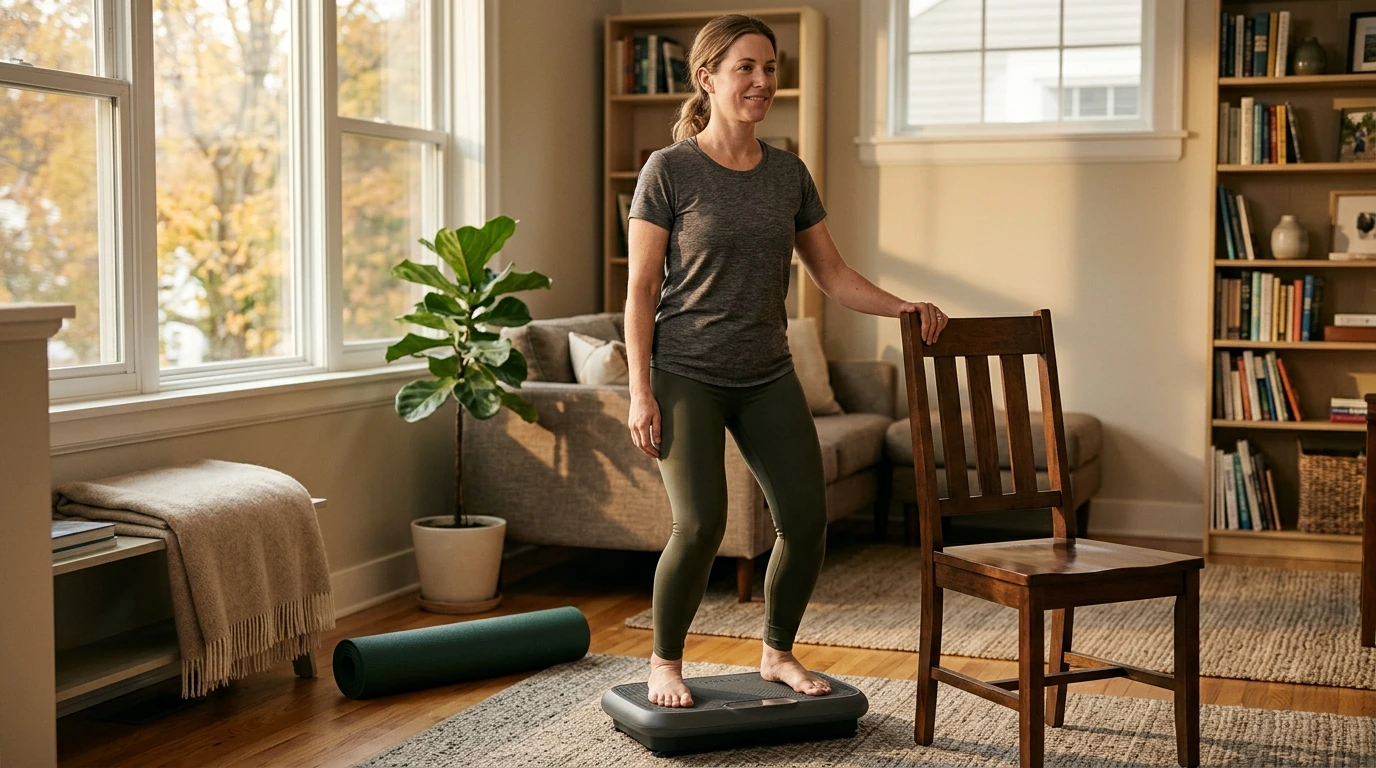
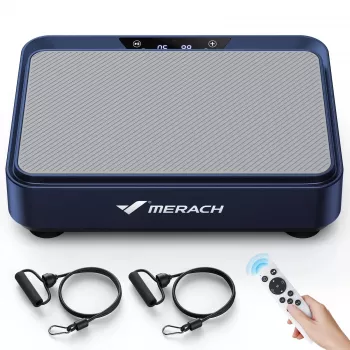
Vibration Plate Exercise Machine for Pain Relief, Sleep Aid & Fat Burning
A vibration plate adds gentle, rapid oscillations under your feet (or hands) to stimulate muscles and circulation with minimal joint impact. With consistent, manageable sessions, it can support everyday soreness relief, post-workout recovery, a calming pre-bed routine, and a more efficient low-time workout for people who want movement without high-impact training.
What a vibration plate does (and why it feels different from cardio)
Unlike jogging or cycling—where you create most of the effort through repeated joint motion—a vibration plate creates a steady “background” stimulus that your body responds to automatically.
- Muscle activation through vibration: The platform’s oscillations can prompt repeated muscle contractions, making simple positions (like a squat hold or calf raise) feel more “switched on” without needing heavy weights.
- Warmth and circulation support: Many users notice a quick warming effect in the lower body, which can feel helpful after long sitting or before mobility work.
- A complement, not a replacement: It’s most useful as an add-on to walking, strength training, mobility drills, or physical-therapy-style movements—rather than a total substitute for regular activity.
- Flexible positions: Depending on comfort and balance, you can use it standing, seated with feet on the plate, or in modified upper-body positions.
For general background on how hands-on modalities may support comfort and relaxation, see the National Center for Complementary and Integrative Health (NCCIH) overview on massage therapy.
Pain relief support: practical ways people use it
People often reach for vibration plates when they want movement that feels doable on “stiff” days. Results vary, but these patterns are common among users who stick with consistent sessions.
- Warm-up use (5–10 minutes): A comfortable intensity before stretching or light mobility work can reduce the “stiff first steps” sensation for some.
- After a long day: Short, easy sessions may help with lower-leg heaviness by supporting circulation and gently engaging calves and feet.
- Pair with slow range-of-motion: Controlled ankle pumps, small knee bends, and hip hinges can reinforce steady movement without needing speed.
- Seated positioning: Sitting in a chair with feet on the platform is a low-stress entry point if standing feels like too much at first.
- Know when to stop: Relief tends to come from repeatable, not punishing, sessions. Sharp pain, numbness, tingling, or worsening symptoms are cues to stop and check with a clinician.
Using vibration as a sleep aid: calming routines that don’t feel like a workout
Some users like vibration plates because they can feel soothing without triggering the “wired” feeling that sometimes comes with late-night workouts.
- Timing: Try a short session about 10–30 minutes before bed, then transition into normal wind-down habits.
- Intensity: Keep it low to moderate. The goal is relaxation, not a max-effort sweat session.
- Stack relaxation cues: Nasal breathing, gentle calf/hamstring stretches, and a brief body scan can make the routine feel more sleep-friendly.
- If it backfires: If you feel stimulated, shorten the session or move it earlier in the evening—some people respond better to daytime use.
Sleep quality matters for recovery and next-day energy; Harvard Health Publishing has a helpful overview on why sleep is important.
Fat burning: where it fits (and what actually drives results)
Vibration can make simple holds and light exercises feel more challenging, but long-term body-composition changes still come from overall activity, nutrition, and consistency.
For perspective on how activity influences calorie burn, see Mayo Clinic’s reference on exercise and calories burned.
Sample weekly vibration-plate schedule (beginner to intermediate)
| Goal | Session length | Intensity | Exercises (examples) | Frequency |
|---|---|---|---|---|
| Loosen stiffness | 5–8 min | Low | Seated feet-on-plate, gentle knee bends, calf raises | 4–6x/week |
| Recovery after workouts | 6–12 min | Low–Moderate | Standing weight shifts, squat hold, light stretching off-plate | 2–4x/week |
| Body-composition support | 10–15 min | Moderate | Squat hold/pulses, glute bridge (feet on plate), calf raises, plank hands-on-plate (if appropriate) | 3–5x/week |
| Sleep wind-down | 5–10 min | Low | Comfortable stance + slow breathing, gentle stretches after | 3–7x/week |
How to start safely and get comfortable fast
Who should be cautious or ask a clinician first
At-home routine ideas (no complicated equipment)
5-minute reset (daytime)
10-minute after-work decompression
Sleep-friendly 6 minutes
Product options to consider
- Vibration Plate Exercise Machine for Pain Relief, Sleep Aid & Fat Burning ($69.82): a compact at-home option designed for simple daily sessions that can support recovery, relaxation, and low-impact training.
- Is Carsharing the Right Choice for You – Practical Guide Exploring for Smarter, Cheaper, Greener Transportation Decisions ($10.99): a practical guide for cutting transportation costs so more of your budget can go toward wellness essentials.
- Easy Holiday Potluck Bundle on a Budget – 3-in-1 Digital Download ($288.99): planning-friendly recipes and checklists that can simplify hosting and reduce last-minute stress.
FAQ
How long should a beginner use a vibration plate each day?
Start with 3–5 minutes at low intensity to see how your body responds, then build gradually. Many beginners do best at 10–15 minutes per session once it feels comfortable, focusing on consistency over pushing intensity.
Can a vibration plate help with sleep if used at night?
For some people, a low-intensity, short session before bed feels relaxing and helps them downshift. Avoid high intensity late at night, and if it feels stimulating, move it earlier in the evening or use it during the day.
Does a vibration plate burn belly fat?
Spot reduction isn’t guaranteed, so belly fat loss still depends on overall energy balance, diet, and total activity. A vibration plate can make short routines more effective by increasing muscle engagement during simple holds and movements.











Leave a comment