USB Gaming Mic for PC/PS5/PS4: RGB, Mute & Gain Dial
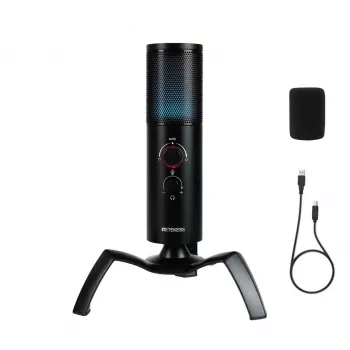
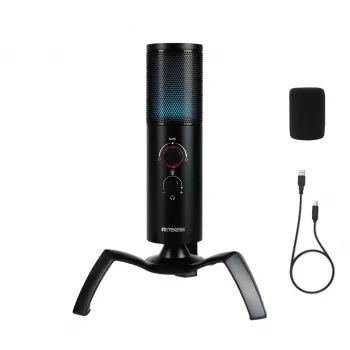
USB Gaming Microphone with RGB, Mute Button & Gain Control for PC/PS5/PS4
Clear voice chat can change how a match, raid, or stream feels—especially when quick mute and simple level control are within reach. A USB gaming microphone with plug-and-play connectivity, RGB lighting, a one-touch mute button, and a gain control dial keeps your setup simple while helping your voice stay consistent across PC, PS5, and PS4 sessions. For more guidance, see Fosi Audio K7 Gaming HiFi Headphone DAC Amp – Reviews – Head-Fi.
What This Microphone Is Built For
- Team voice chat: Useful for shooters, battle royales, and co-op games where callouts need to cut through chaotic moments.
- Streaming and casual content: Physical controls reduce the time spent diving into audio panels mid-stream.
- School and remote meetings: A desk mic can sound fuller and more stable than many headset mics, especially if a headset shifts around.
- Desk-based play: A stable desktop position keeps your voice distance more consistent than handheld or controller-mounted options.
Quick Look: Key Controls and Why They Matter
- RGB lighting: Adds desktop ambience and gives a quick visual cue that the mic is powered and active.
- Mute button: A single tap can silence coughs, room noise, or side conversations without hunting for the right app window.
- Gain control dial: Adjusts input sensitivity at the source so you’re less likely to sound too quiet (hard to hear) or too “hot” (distorted).
- USB connection: Straightforward setup for typical gaming and chat—no audio interface required.
PC Setup Tips for Cleaner Chat and Stream Audio
Dial in placement first
Start with the mic about 6–10 inches from your mouth. If possible, aim the pickup side toward you and keep it slightly off-center so you’re speaking across the mic rather than directly into it—this can reduce harsh plosives and breath noise without needing heavy software filtering. For further reading, see JARO USB Podcast Microphone with Boom Arm, Studio Condenser ….
Set gain like a “volume budget”
Begin with lower gain and raise it gradually while speaking at your normal intensity. If your voice gets buzzy or crunchy during excited moments, back the gain down a notch. In Discord and most streaming apps, you can watch the input meter for peaks that slam into the top.
Control the room before you add filters
Try to keep the mic away from loud keyboard switches, PC fans, and the edge of a desk that vibrates. Software noise suppression can help, but pushing it too hard can create a robotic sound or chop off softer syllables. When you can, fix the source: mic closer, gain lower, noise farther away.
Confirm the right input device everywhere
Windows sound settings, Discord, and your streaming software can each select different inputs. Double-check before you go live. If something sounds off, Microsoft’s troubleshooting steps can help isolate whether it’s an app setting, driver issue, or device selection problem (Microsoft Support).
Using It with PS5 and PS4
Plug in and select it as the input
Connect the USB cable to a console USB port, then open the console’s audio settings and choose the USB microphone as your input device. On PS5, PlayStation’s audio settings guidance is a helpful reference if you’re switching between headsets, controllers, and external devices (PlayStation Support).
Set a baseline mic level
Use the console’s microphone level screen to test your voice and set a comfortable starting point. After that, do small tweaks with the mic’s gain control so you don’t have to reconfigure system settings every session.
Make mute a habit
A physical mute button is especially handy on console, where navigating menus mid-match can be distracting. Tap mute for quick privacy, then unmute when you’re ready to talk again.
Keep the mic stable on the desk
Gain, Mute, and Monitoring: Practical Scenarios
Feature Summary Table
| Feature | What it does | Why it helps in gaming/streaming |
|---|---|---|
| USB connectivity | Connects directly to PC or console via USB | Fast setup and reliable digital audio without extra gear |
| Mute button | Instantly disables mic pickup | Quick privacy and noise control during matches or calls |
| Gain control | Adjusts mic input level at the source | Prevents voice from being too quiet or distorted |
| RGB lighting | Illuminated visual effect while powered | Adds desk ambience and quick visual status feedback |
| Desktop form factor | Stays positioned on a desk or surface | More stable, consistent voice distance than handheld use |
Care, Placement, and Troubleshooting
Products In Stock
- USB Gaming Microphone with RGB, Mute Button & Gain Control for PC/PS5/PS4 ($74.97)
- Porcelain Dinnerware Set ($99.01)
- Is Carsharing the Right Choice for You – Practical Guide Exploring for Smarter, Cheaper, Greener Transportation Decisions ($10.99)
FAQ
Will a USB microphone work on PS5 and PS4?
Many USB microphones are recognized by PS5 and PS4 as external input devices. Plug the mic into a console USB port, then select it as the input device in system audio settings and run the microphone level test to confirm it’s picking up your voice.
What’s the difference between mic gain and volume?
Gain controls how sensitive the microphone input is (how strongly it captures your voice), which affects noise and distortion. Volume is the loudness of playback; a practical order is to set gain for clean speech first, then adjust monitoring/output volume to taste.
How can keyboard noise be reduced without making the voice sound unnatural?
Move the mic closer to your mouth, lower gain, and angle the mic so the keyboard is off to the side rather than directly in front of the pickup. Use light noise suppression only if needed, and consider push-to-talk if your environment is consistently loud.














Leave a comment