How to Pick Great Restaurants While Traveling (No Traps)
Smart Ways to Choose Restaurants While Traveling and Skip Tourist Traps
Great meals on the road usually come from small signals: who’s eating there, what the menu looks like, and how the place fits local routines. A few simple checks—before and after sitting down—can steer dining choices toward better food, fair prices, and a more relaxed experience.
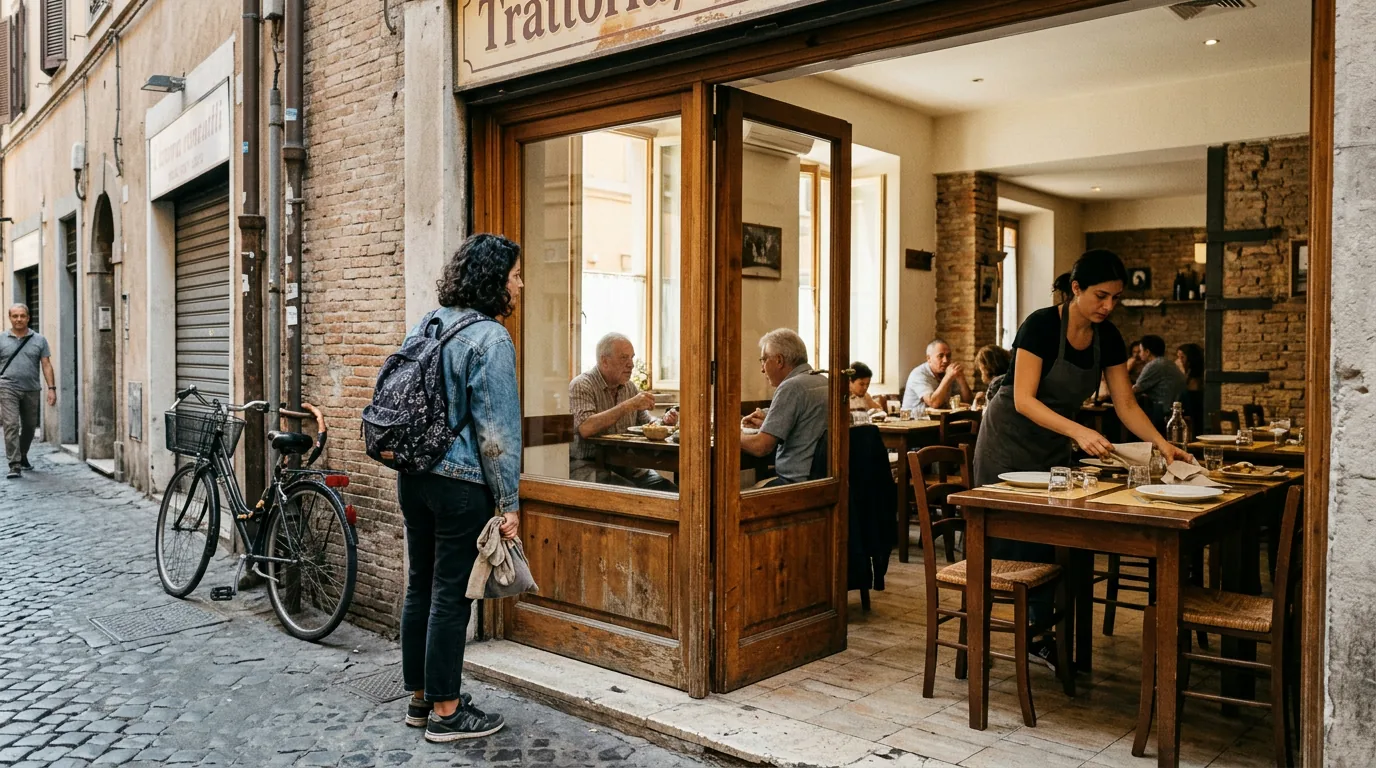
Start With Location: Walk One or Two Blocks Away From the Main Crowds
If a restaurant’s business depends on a constant stream of first-time visitors, the incentives often tilt toward speed and margins rather than care. One of the easiest fixes is distance.
- Use landmarks as a radius: step 5–10 minutes away from the busiest square, waterfront strip, or attraction entrance before comparing options.
- Prioritize “everyday” streets: areas with grocery stores, pharmacies, schools, laundromats, and commuters tend to support restaurants built for locals.
- Check opening hours: places aligned with local meal times (and local days off) are more likely to be part of the neighborhood routine.
- If you’re staying in a tourist zone: plan one “anchor meal” outside the core each day, and keep the rest convenient.
Read the Room: Who’s Eating There and How the Service Flows
Before you even touch the menu, the dining room tells you a lot. Look for signals of a place that’s running smoothly because it does the same job well—every day.
- Watch for rhythm: staff moving with purpose, tables clearing at a normal pace, and customers actually eating (not just staring at untouched plates).
- Check the customer mix at normal meal times: a room full of tourists at 7 p.m. can still be great, but it shouldn’t be the only “proof.”
- Notice repeat cues: regulars greeted by name, people ordering without opening the menu, or steady local takeaway pickups.
- Be cautious with aggressive solicitation: hosts pulling you in or pressuring you to sit “right now” is a common warning sign near major sights.
Menu Clues: Fewer Items, Fewer Languages, More Specificity
Many tourist traps share the same menu pattern: massive selection, generic dishes, and lots of photo-heavy pages designed for fast turnover. Better meals often come from focus.
- Prefer shorter menus: a curated list usually means a kitchen that can execute consistently.
- Watch for “generic global” lists: pizza + sushi + curry + burgers is a red flag unless it’s a clearly branded food hall concept.
- Seek specificity: regional dish names, seasonal ingredients, or clear sourcing notes often signal a real point of view.
- Be cautious with many-language menus: one or two translations can be normal in international cities; five-plus languages plus big glossy photos can indicate high-volume targeting.
- Scan drink pricing: unusually cheap cocktails or oddly expensive soft drinks can suggest uncomfortable margin games.
Quick Signals: Tourist Trap vs. Trustworthy Restaurant
| What to Look At | Often a Tourist Trap | Often a Better Bet |
|---|---|---|
| Entrance & staff | Hosts pulling people in, heavy discount boards, pushy specials | Clear signage, calm greeting, no pressure to enter |
| Menu length | Huge menu covering many cuisines | Focused menu with a clear theme |
| Language & photos | Many languages + lots of glossy photos everywhere | Simple design, limited photos, local naming |
| Pricing cues | Vague pricing, add-on fees, unclear taxes/service | Transparent pricing, service/tax norms posted or explained |
| Customer mix | Only tourists at local mealtimes | Locals present, repeat customers, takeaway orders |
| Google/Maps reviews | High rating but many near-identical reviews, heavy influencer vibe | Consistent feedback mentioning specific dishes and service |
Use Reviews Wisely: Patterns Beat Star Ratings
Reviews can help, but only if they’re treated like trend data, not a verdict.
- Filter for recent comments: scan for repeated specifics (the same dish praised, consistent waiting-time notes, clear pricing mentions).
- Watch for suspicious spikes: a burst of similar-sounding reviews in a short window can be a red flag.
- Value “negative-but-informative” feedback: a few comments about slow service paired with consistent food praise can still describe an excellent meal.
- Cross-check when possible: compare map reviews with a regional guide or reputable dining source like the Michelin Guide.
Timing Strategies: Eat When Locals Eat (or Just Before)
Price and Value Checks Before Ordering
Safety, Cleanliness, and Food Handling Signals
Good restaurant judgment includes basic food safety. For practical guidance, reputable references include the WHO’s Five Keys to Safer Food and the CDC’s travel food and water safety advice.
Simple Decision Framework: A 60-Second Pre-Commit Checklist
For a deeper set of filters and ready-to-use checklists, see Smart Way to Choose Restaurants While Traveling | How to Avoid Tourist Trap Restaurants.
Getting to Better Food: Use Mobility to Escape the Trap Zone
If you’re comparing transportation options for these food-focused detours, Is Carsharing the Right Choice for You – Practical Guide Exploring for Smarter, Cheaper, Greener Transportation Decisions can help you weigh cost, convenience, and coverage.
Bring the “Good Restaurant” Feeling Home
Part of what makes travel meals memorable is the simple pleasure of a well-set table. If you want that everyday upgrade at home, consider the Porcelain Dinnerware Set for a clean, classic setup that works for weeknights and guests.
FAQ
What are the clearest signs a restaurant is a tourist trap?
Pushy street solicitation, unclear or hidden pricing, overly large “everything” menus, and review patterns that feel copy-pasted are common red flags. Another big tell is a dining room that’s all tourists during normal local meal times.
Is it safe to rely on online reviews when traveling?
Reviews are useful as one input, not the whole decision. Prioritize recent, detail-rich comments, compare multiple platforms, and be cautious of sudden review spikes with repetitive phrasing.
How far should travelers walk away from attractions to find better restaurants?
A practical rule is 5–10 minutes on foot (often 1–2 blocks in dense areas). There are exceptions in cities where excellent restaurants cluster near sights, but stepping slightly off the main drag still improves your odds.















Leave a comment