Checkered Plush Area Rug Guide: Sizing, Style & Care
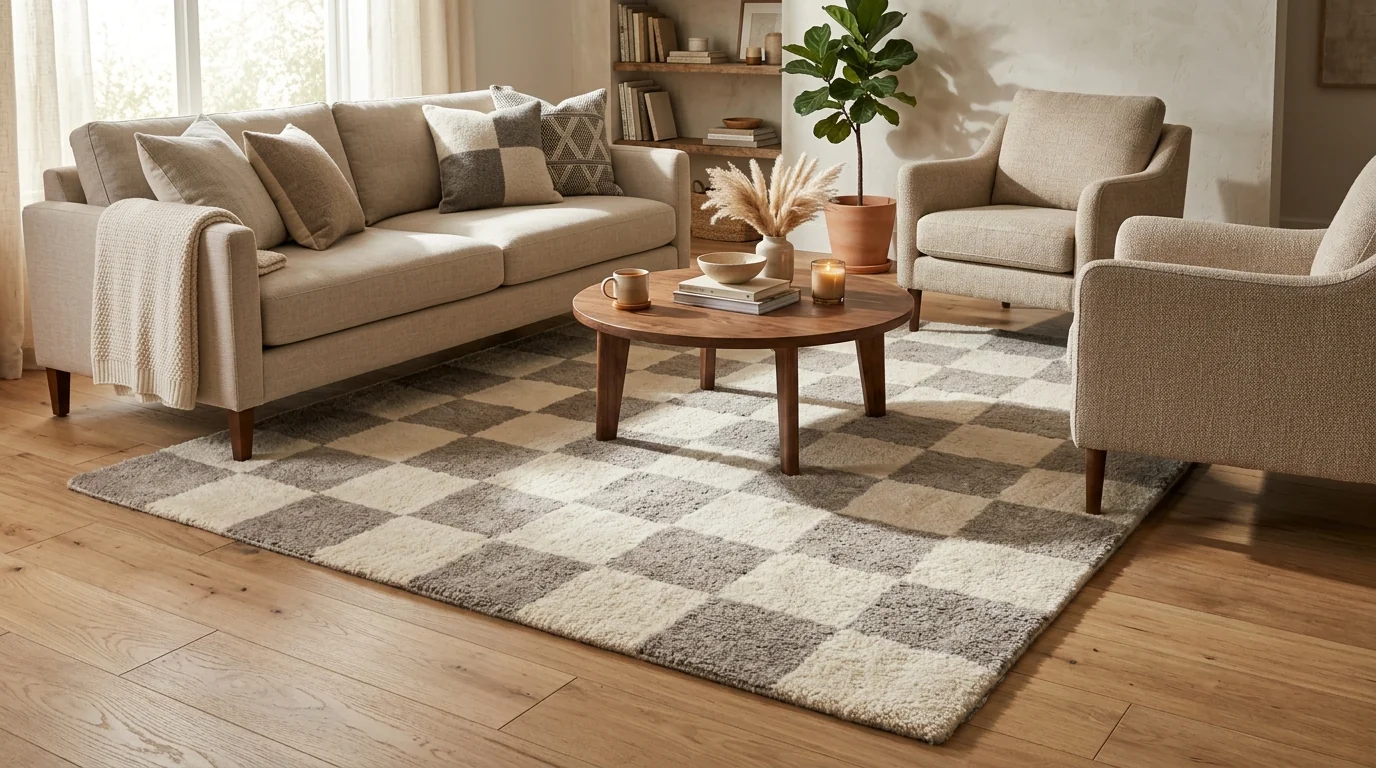
Checkered Plush Area Rug: Soft Comfort with a Classic Pattern
A plush rug can change the feel of a room instantly—adding warmth underfoot, softening noise, and anchoring furniture. A checkered pattern brings structure and visual rhythm, working with everything from modern neutrals to playful color palettes. This guide covers where a checkered plush area rug fits best, how to size it for common rooms, and what to know about care and everyday use.
What Makes a Plush Checkered Rug Stand Out
- Plush pile adds a cushioned, cozy feel that’s comfortable for barefoot walking and lounging.
- Checkered design creates a balanced look that can read classic, modern, or retro depending on color choices and surrounding decor.
- Works well as either a statement piece (high-contrast checks) or a subtle texture (tone-on-tone checks).
- Helps visually “zone” open spaces by defining a seating area, reading nook, or bedside landing.
Where It Works Best at Home
- Living room: Place under the front legs of a sofa and chairs to unify the seating area; keep the check pattern aligned with the room for a tidy look.
- Bedroom: Position so feet land on softness when getting out of bed; a check pattern pairs easily with solid bedding and layered throws.
- Home office: Use as a comfort layer around a desk area, but consider chair movement—lower pile rugs tend to roll more easily; plush prioritizes comfort.
- Entry or hallway: Plush feels great, but higher-traffic zones may need more frequent vacuuming and a dependable non-slip pad.
- Kids’ spaces: The check pattern hides minor lint and everyday marks better than flat, solid colors.
Sizing and Layout Guide
- Choose a size that supports furniture placement rather than floating in the center of the room.
- In seating areas, aim for at least the front legs of major pieces on the rug; in bedrooms, prioritize bedside coverage.
- Leave a consistent border of floor around the rug when possible to keep the room from feeling crowded.
- If between sizes, sizing up often looks more intentional—especially with a geometric pattern like checks.
Common Rug Sizes and Easy Placement Ideas
| Room/Use | Suggested Rug Size | Placement Tip |
|---|---|---|
| Small living room seating | 5′ x 7′ (approx.) | Center under coffee table; front legs of seating can touch the edge if space is tight |
| Main living room seating | 8′ x 10′ (approx.) | Front legs of sofa and chairs on rug; align check pattern parallel to the main wall |
| Large living room / open plan | 9′ x 12′ (approx.) | All major seating legs on rug to clearly define the zone |
| Queen bed | 8′ x 10′ (approx.) | Place rug under lower 2/3 of bed so both sides and the foot feel cushioned |
| Bedside comfort | 2′ x 6′ runner (approx.) | Use one on each side or one along the foot of the bed for a soft landing strip |
| Office nook | 5′ x 7′ (approx.) | Keep chair area in mind; consider a chair mat if rolling is difficult on plush |
Color Pairings and Styling Ideas for a Check Pattern
- Neutral checks (cream/gray/beige) complement wood tones, minimalist rooms, and layered textures like linen and boucle.
- High-contrast checks (black/white or bold color blocks) create a focal point; keep surrounding textiles more solid to avoid visual clutter.
- Pick up one accent color from the rug in pillows, art, or a throw to make the pattern feel intentional.
- For a calmer look, pair with solid curtains and large-scale furniture; for a playful look, mix with smaller patterns in the same color family.
Comfort, Warmth, and Everyday Practicality
- Plush rugs can help reduce echo and soften footsteps, which is useful in apartments and rooms with hard flooring.
- A rug pad improves underfoot cushioning and helps keep edges from shifting or curling.
- In homes with pets, plush texture may collect fur more noticeably; regular vacuuming and a lint tool can help.
- For allergy-sensitive spaces, frequent vacuuming and prompt spill cleanup are key to keeping the pile fresh.
For additional maintenance guidance and best practices, the Carpet and Rug Institute (CRI) offers care resources that can help set expectations for routine cleaning and long-term appearance.
Care and Cleaning Basics
- Vacuum regularly using a setting appropriate for higher pile; avoid aggressive brush settings if they pull fibers.
- Blot spills quickly with a clean cloth—press rather than rub to avoid spreading and to protect the pile.
- Rotate the rug periodically to balance wear patterns and keep the check design looking even in high-use lanes.
- Test any cleaner in a hidden corner first; follow the rug’s care label guidance when available.
- Use a doormat at entrances to reduce tracked-in grit that can dull plush fibers over time.
If the rug includes care labeling, the Federal Trade Commission’s care labeling guidance provides helpful context for common symbols and instructions.
Safety and Floor Protection
A Simple Option to Refresh a Room
Shop In-Stock Picks
- Checkered Plush Area Rug
- Porcelain Dinnerware Set
- Easy Holiday Potluck Bundle on a Budget – 3-in-1 Digital Download
FAQ
Does a plush rug work well in high-traffic rooms?
Yes, but it typically needs more frequent vacuuming and a quality rug pad to help it stay in place. Rotating it periodically and cleaning spills quickly helps the pile wear more evenly.
Should a rug pad be used under a plush area rug?
Yes. A pad helps prevent slipping, adds cushioning, and reduces edge movement; choose a pad designed for your flooring type (hard floors vs. carpet).
How can a checkered rug be styled without making the room feel busy?
Keep larger surrounding elements solid—like curtains, bedding, and upholstery—and repeat just one rug color in a few accents. This keeps the check pattern looking intentional while maintaining visual balance.










Leave a comment