Best Cost-Per-Wear Clothing: Timeless Wardrobe Wins
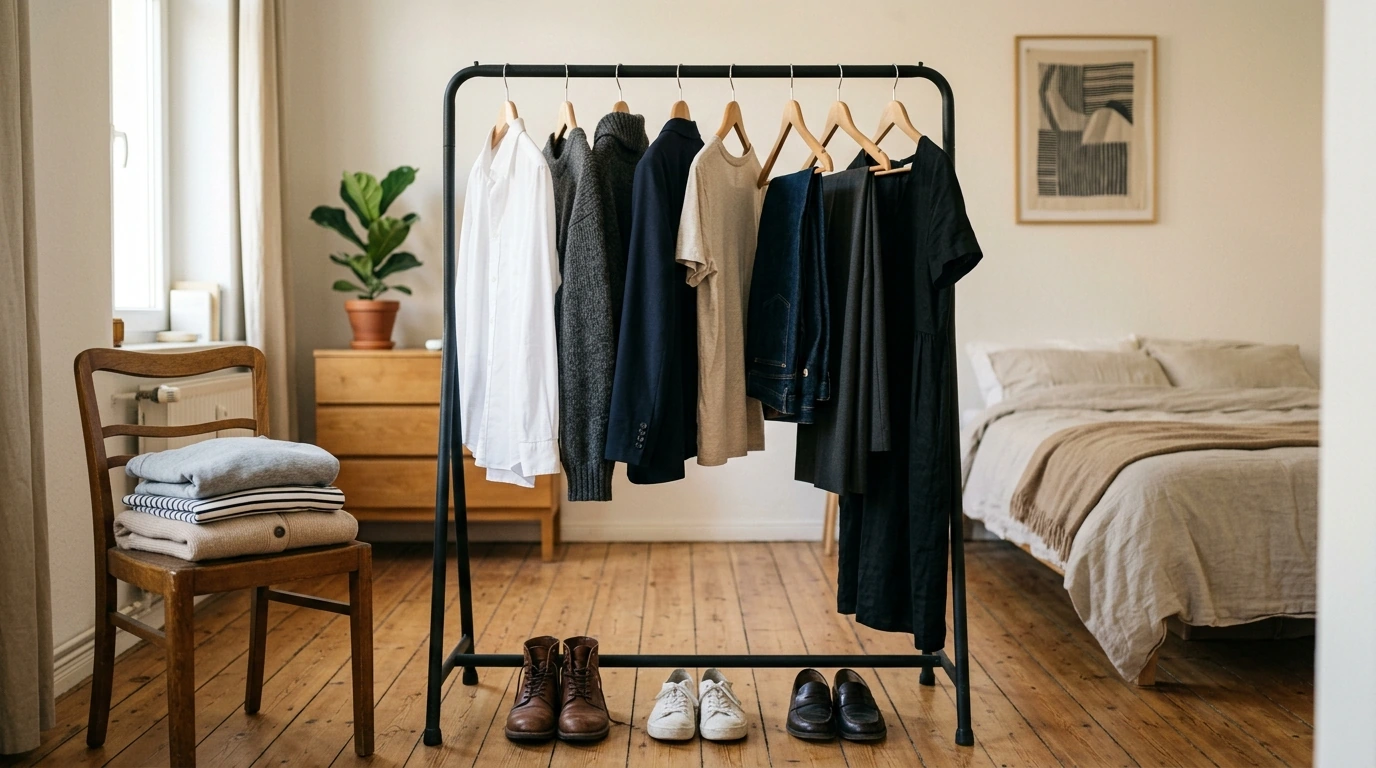
Clothing with the Best Cost Per Wear: Build a Wardrobe That Earns Its Keep
A great wardrobe is built on repeatable outfits, not one-time purchases. The simplest way to measure real value is cost per wear: how many times a piece earns its place before it’s replaced. When you focus on timeless shapes, neutral foundations, and fabrics that hold up to washing, commuting, and everyday life, you end up with a closet that feels bigger, looks more polished, and costs less over time.
If you want a step-by-step framework you can keep and revisit, our team created Clothing with the Best Cost Per Wear: Maximize Your Wardrobe Value with Timeless and Versatile Pieces to help you make decisions based on real wear—not hype.
Cost per wear, explained in plain terms
Cost per wear (CPW) is simple: item price divided by the number of times you actually wear it. Lower is better only if the item still looks good while being worn often. Two pieces can cost the same but perform very differently: the one that mixes with more outfits and lasts longer wins on CPW.
CPW improves when a piece (1) matches the rest of your closet, (2) works across settings, (3) is comfortable enough to reach for repeatedly, and (4) stays presentable after washing. That’s why a higher price can still be a smart buy if you wear it weekly for years—and why a low price can be expensive if you wear it twice and discard it.
Cost per wear quick math
| Item | Price | Wears | Cost per wear |
|---|---|---|---|
| Neutral tee | $20 | 50 | $0.40 |
| Office-ready trousers | $60 | 60 | $1.00 |
| Occasion dress | $80 | 8 | $10.00 |
| All-season layer | $90 | 90 | $1.00 |
What makes a piece “high-wear” (and worth buying)
High-wear pieces are the ones you can build around without thinking too hard. When you’re deciding what deserves your budget, use these cues:
- Versatility: It pairs with at least three bottoms and two layers (or the reverse) without feeling repetitive.
- Season range: It works in more than one season by swapping footwear and layers (tee + cardigan now, tee + jacket later).
- Low-fuss care: Easy laundering, minimal ironing, and fabric that resists pilling/stretching keeps an item in “wearable” shape longer.
- Comfort and movement: If it pinches, rides up, or needs constant adjusting, you won’t reach for it—CPW suffers immediately.
- Color strategy: Neutrals create repeatability; controlled accents add interest without blocking pairings.
Longevity matters beyond your closet, too. Organizations like the Ellen MacArthur Foundation and WRAP highlight how extending clothing use reduces waste and resource demand—another reason CPW is a practical metric.
The timeless core: a small set of repeatable outfit builders
A “bigger” wardrobe often comes from a smaller, stronger core. Start with outfit builders that can show up in casual, work, and weekend plans:
- Reliable base layers: Tees, tanks, and long-sleeves get the most repeat wear. Prioritize an easy neckline and fabric that stays opaque.
- A structured top: A button-up or polished knit bridges casual and office settings and layers cleanly under jackets.
- A go-to neutral bottom: Jeans or trousers in a silhouette that matches your real day—sitting, walking, commuting—then elevate with shoes.
- A versatile dress or one-piece: Choose a shape that shifts with layers (cardigan, blazer) and shoes (sneakers to boots).
- A true outer layer: Outerwear is what people see most; pick one that complements most outfits instead of competing with them.
Capsule pairing rules that stretch your closet fast
Fabric and construction cues that protect long-term value
For context on clothing disposal and why extending use matters, the U.S. Environmental Protection Agency (EPA) textile data offers a helpful overview.
Shopping decisions that lower cost per wear immediately
A simple “value-first” wardrobe plan for the next 30 days
Want another practical, savings-first decision guide for everyday life? Our team also offers Is Carsharing the Right Choice for You – Practical Guide Exploring for Smarter, Cheaper, Greener Transportation Decisions—a useful companion mindset: spend where it gets used, cut what doesn’t.
Recommended resources from our store
- Clothing with the Best Cost Per Wear: Maximize Your Wardrobe Value with Timeless and Versatile Pieces
- Is Carsharing the Right Choice for You – Practical Guide Exploring for Smarter, Cheaper, Greener Transportation Decisions
FAQ
How many wears should an item get to be “worth it”?
As a practical benchmark, aim for 30–50 wears for base layers, 50–100+ wears for daily bottoms and outer layers, and 5–15 wears for special-occasion pieces. Comfort, versatility, and care needs change what’s realistic, so track wears for 2–4 weeks to set targets that match your life.
What are the best colors for a high cost-per-wear wardrobe?
Choose 2–3 neutrals you love wearing (black, navy, gray, cream, denim are common) and build most of your core around them. Then pick 1–2 accent colors and repeat them across multiple items so mixing stays easy.
How can cost per wear improve without buying more clothing?
Create a few outfit formulas you can repeat, rotate your favorites so they last longer, and make small fixes like hemming or replacing buttons to bring neglected items back into play. The fastest CPW win is simply increasing the wears of what already fits and flatters.












Leave a comment