750W vs 950W Airless Paint Sprayer: Cleaner, Faster Coats
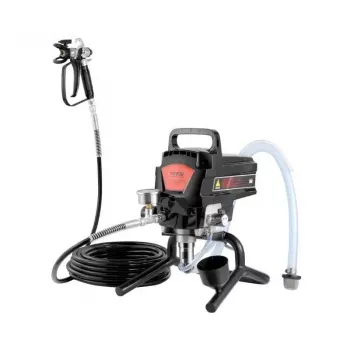
High-Efficiency 750W/950W Electric Airless Paint Sprayer: Fast Coverage, Clean Lines, Less Fuss
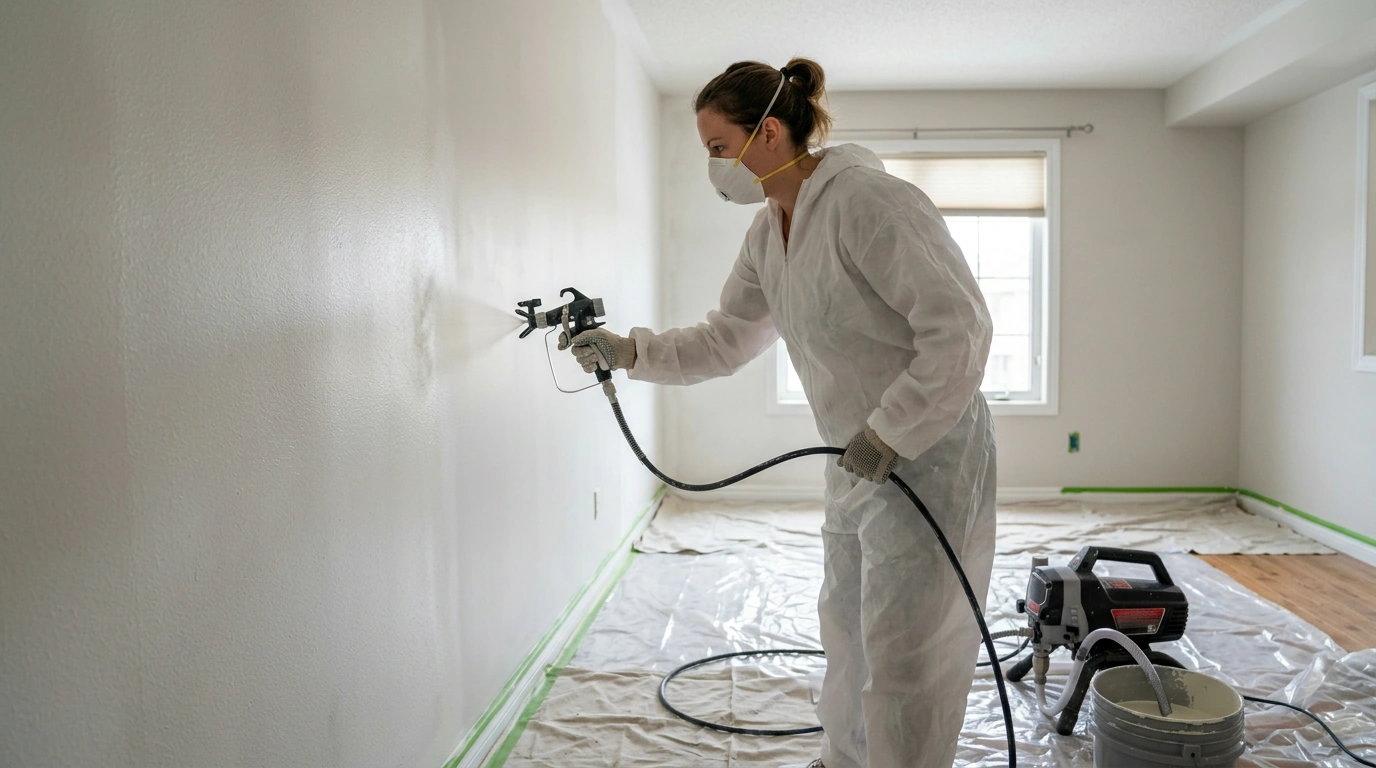
When the goal is smooth, even coverage across big surfaces without spending all weekend rolling and brushing, an electric airless sprayer is the practical upgrade. Our High-Efficiency 750W/950W Electric Airless Paint Sprayer is built for homeowners, landlords, and small crews who want consistent results on walls, ceilings, fences, and exterior siding—while keeping setup and cleanup manageable for real-world projects.
What “high-efficiency” changes in everyday painting
High-efficiency airless spraying focuses on getting more material onto the surface and less into the air. In day-to-day terms, that can mean:
- More paint on the surface, less wasted in the air: reducing overspray compared with traditional high-pressure airless habits helps keep edges cleaner and can make masking feel less overwhelming.
- Smoother finish with fewer lap marks: consistent atomization helps avoid roller stipple and overlap lines that show up under raking light on long walls and ceilings.
- Faster progress on large areas: doors, trim runs, ceilings, long fences, and room repaints move quickly once you dial in the fan and pace.
- Better control comes from the right habits: steady distance, even passes, and correct tip choice matter as much as the sprayer itself.
Choosing between 750W and 950W for the job
Both wattages can deliver excellent results when you match the sprayer to your coating and workflow. The real difference shows up when you’re pushing thicker materials, longer runs, or repeated project days.
- 750W fits most interior repaints: a strong match for walls, ceilings, and smaller exterior zones using standard wall paint or stain at typical viscosity.
- 950W adds breathing room for thicker materials: helpful when running heavier coatings, longer hose runs, or larger tips (where supported) to keep a steady fan and reduce the temptation to over-thin.
- Pick power based on workload, not just room count: one large exterior (siding plus trim) can be more demanding than several bedrooms.
- If you’ll use it often: more reserve power can mean fewer interruptions, fewer pressure “chase” adjustments, and less rework caused by dry spray.
| Option | Typical projects | Why it matters |
|---|---|---|
| 750W | Interior walls/ceilings, doors, smaller fences | Efficient for common paints; easier to manage for occasional use |
| 950W | Larger exteriors, heavier coatings, repeated projects | More reserve power for consistent spray and fewer interruptions |
Where an electric airless sprayer saves the most time
If you’ve ever looked at a long wall and realized the “rolling part” is only half the day, spraying can be a major reset to your timeline—especially when the surface is large and the finish is visible.
- Whole-room repaints: fast, uniform coverage on walls and ceilings when furniture is consolidated and masking is done with intention.
- Exteriors: siding, soffits, and fences benefit from rapid coverage—particularly where brush-and-roll would stretch into multiple days.
- Doors and trim batches: set up a controlled zone and spray multiple pieces efficiently while keeping overlap consistent and edges wet.
- Rental turns and maintenance cycles: faster completion can mean quicker re-occupancy and fewer touchups when the pattern is stable.
- Textured or irregular surfaces: spray reaches crevices and profiles that rollers skip, cutting down on missed spots.
Getting a cleaner finish: setup, tip selection, and technique
Clean results come from a short checklist you can repeat every time. Our team recommends treating the sprayer like a finish tool: the prep and settings do most of the heavy lifting.
Containment, safety, and cleanup that don’t get skipped
- Mask for airflow, not just drips: overspray moves with drafts and HVAC. Control air movement, protect floors, and isolate adjacent rooms when needed.
- Plan PPE before spraying starts: follow the coating label and choose protection that matches the risk. For respirator guidance, NIOSH is a solid reference: NIOSH Respirator Selection Guide.
- Pay attention to lead-safe rules on older homes: for pre-1978 surfaces, confirm local requirements and follow lead-safe renovation practices: U.S. EPA RRP Program.
- Keep cleanup simple: flush based on coating type (water-based vs. solvent-based) and clean filters and the tip promptly so dried paint doesn’t become the next job’s “mystery problem.”
- Store with care: relieve pressure, protect the tip, and keep components clean so performance stays consistent over time.
If you’re spraying flammable coatings, review workplace-oriented safety rules as a reference point: OSHA 1910.107 (spray finishing).
A straightforward pick for big results
Our High-Efficiency 750W/950W Electric Airless Paint Sprayer is a practical choice when speed and finish quality need to coexist—especially on large, visible surfaces. Choose wattage based on coating thickness and how often you’ll spray, then let your prep, masking, tip choice, and pressure settings do what they’re supposed to do: keep lines cleaner, coverage even, and rework minimal.
More from our store
FAQ
Is an electric airless sprayer a good choice for interior walls and ceilings?
Yes—especially for large, open spaces where you can mask well and manage airflow and ventilation. You’ll still want consistent distance and overlap, and many rooms go faster when you cut in edges strategically and spray the open field for uniformity.
Do thicker paints need thinning for airless spraying?
Sometimes, but not always—follow the paint manufacturer’s label, strain the paint, and increase pressure only as needed to achieve a stable, even fan. Higher power can help maintain consistent spray with thicker coatings, which can reduce the urge to over-thin.
How long does cleanup take after spraying?
Plan on roughly 15–45 minutes depending on the coating type and how disciplined you are about flushing immediately. Cleanup is fastest when you flush promptly, clean the filter and tip, and keep your containment setup organized from the start.














Leave a comment