12V Kids UTV Ride-On: Remote, LEDs & Large Seat Guide
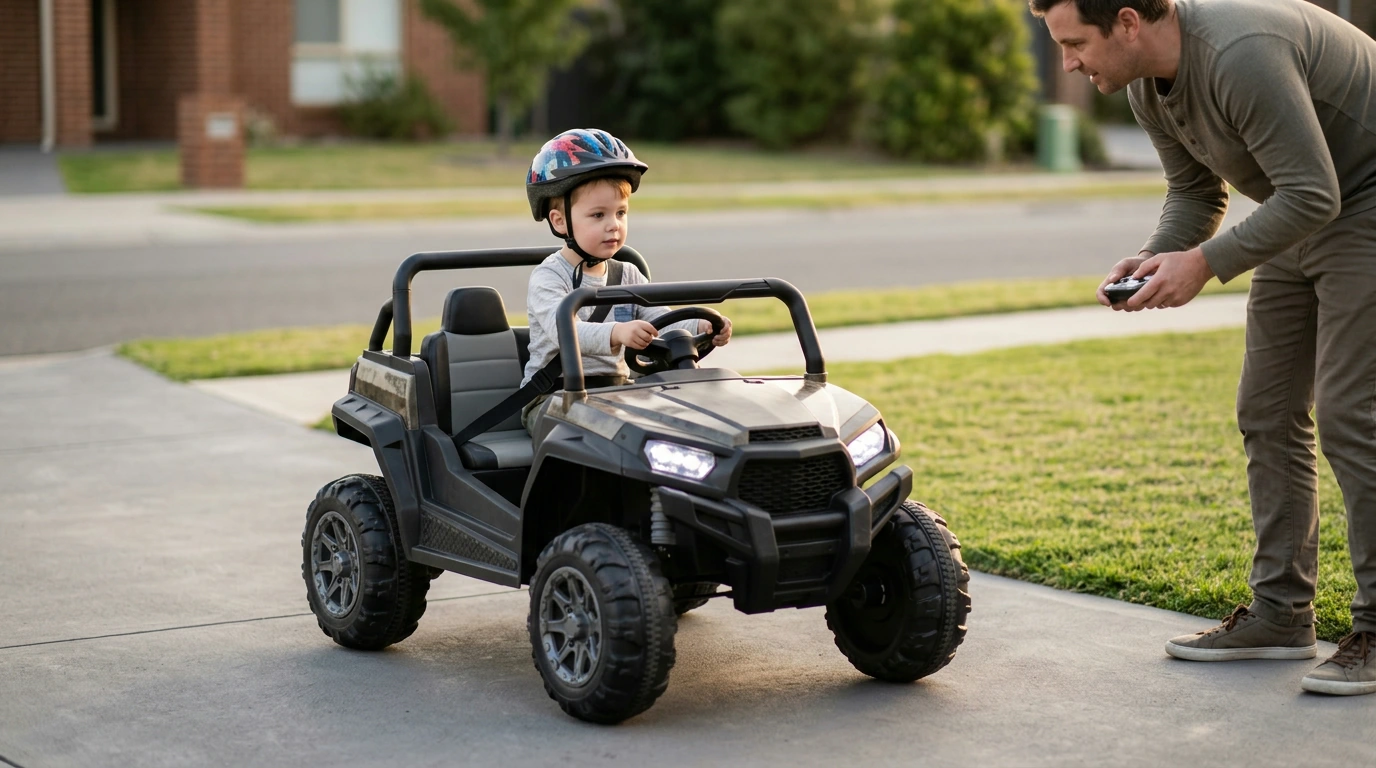
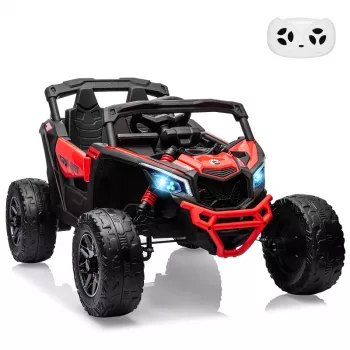
12V Electric Ride-On UTV Car with Remote Control, LED Lights & Large Seat: What to Expect
A 12V ride-on UTV brings “real vehicle” style to outdoor play with a wider stance, off-road-inspired design cues, and features that let parents stay in control while kids learn. If you’re considering a remote-control ride-on with LED lights and a roomy seat, the details matter: how it fits your child, where it will be driven, and how you’ll handle charging and supervision. This guide walks through the practical checklists and habits that help the experience feel fun, smooth, and predictable from day one.
What Makes a UTV-Style Ride-On Different
UTV-style ride-ons are designed to look and feel more like a utility vehicle than a low-slung sports car. The body typically sits wider, and the overall stance can feel more stable during gentle turns on flat surfaces. That off-road look doesn’t automatically mean it’s meant for rough terrain, though.
Most 12V UTV ride-ons perform best on driveways, sidewalks, and smooth grass. Surface type and child weight have a big impact on speed, steering response, and runtime. A large seat can also make a noticeable difference—especially for kids near the upper end of the recommended range—because comfort helps them stay seated properly and reduces wiggling that can affect balance.
LED lights add realism and help the vehicle be easier to spot in shade or low light, but they’re not a safety substitute. Adults still need to set boundaries, watch for hazards, and keep play away from traffic or steep areas. For general toy safety guidance and recalls, the U.S. Consumer Product Safety Commission (CPSC) is a helpful reference.
Key Features to Look For (Remote Control, Lights, Seating)
When comparing 12V remote-control ride-ons, focus on features that improve control and fit rather than just styling. A parent remote is especially useful for younger kids, first-time riders, or any situation where you want quick steering corrections. Manual driving mode is great once a child is ready to practice pedaling/controls, turning, and stopping with confidence.
LED lights vary by model: some are always on with the power switch, while others have a dedicated light button. If the vehicle will be used in the evening, confirm that the lights are bright enough to be seen (not to “light the way”), and check that wiring feels secure after assembly.
Seating is another big differentiator. A “large seat” might mean a wider bench, a deeper base, or a more supportive backrest area. Wider seating can also help when kids wear bulkier jackets. No matter the seat style, consistent seatbelt use is non-negotiable.
Feature checklist for a 12V remote-control UTV ride-on
| Feature | Why it matters | What to verify before buying |
|---|---|---|
| Parent remote | Helps guide beginners and adds control in tight spaces | Range, steering responsiveness, emergency stop behavior |
| 12V battery system | Sets baseline power for typical ride-on performance | Battery type, charge time, access for replacement |
| LED lights | Improves visibility and enhances realism | Switch location, durability, brightness, power draw |
| Large seat | More comfort and better fit within the recommended size range | Seat width/depth, belt placement, back support (if any) |
| Wheels/traction | Affects stability and handling on different surfaces | Tread pattern, wheel material, grip on pavement vs. grass |
Who It Fits Best: Age, Size, and Where It’s Used
For locations, prioritize flat, predictable surfaces: smooth concrete, level pavement, and short grass. Avoid steep slopes, loose gravel, and areas near steps or drop-offs—especially during early rides when steering inputs can be sudden. If you’ll use the ride-on in shared spaces (like a communal sidewalk), consider noise, visibility, and any neighborhood rules. For broader outdoor play safety tips, HealthyChildren.org (American Academy of Pediatrics) is a strong resource.
Safety Practices for Remote-Control Ride-Ons
Before each session, do a quick consistency check: seatbelt buckled and snug, seat stable, steering responsive, and the area cleared of obstacles. If you want to go deeper on consumer safety standards and how products are evaluated, ASTM International’s consumer safety overview provides useful context.
Battery, Charging, and Everyday Care
Setup and First Ride: A Smooth Start
When This UTV Ride-On Is a Great Pick
- 12V Electric Ride On UTV Car with Remote Control, LED Lights & Large Seat (core pick for parent/child driving flexibility)
- Is Carsharing the Right Choice for You – Practical Guide (a helpful read for families balancing driving habits and transportation costs)
- Easy Holiday Potluck Bundle on a Budget – 3-in-1 Digital Download (a simple planning extra for gatherings where the ride-on might be a gift highlight)
FAQ
How does the parent remote control help during rides?
A parent remote can override steering and speed to guide beginners, keep the ride-on within boundaries, and correct a turn before it becomes a bump or tip risk. It’s also useful for quick stopping in crowded moments or when a child panics and forgets the controls.
How long does a 12V ride-on battery typically last per charge?
Many 12V ride-ons run roughly 45–90 minutes per charge, but it varies with child weight, terrain (grass drains faster than pavement), speed setting, and battery condition. Let the battery cool after riding and follow the recommended charge time to keep performance more consistent.
Are LED lights safe to use at dusk or at night?
LED lights can help the ride-on be more visible, but they don’t make nighttime riding “safe” on their own. Stick to well-lit, enclosed areas under close supervision, and avoid streets, traffic-facing driveways, or places with poor visibility.













Leave a comment