Multicolor Soft Lures: Rig, Color & Retrieve Tips
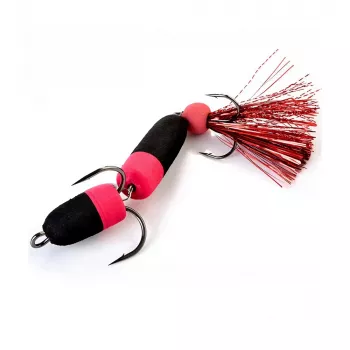
Multicolor Soft Fishing Lure: Realistic Action for Versatile Freshwater and Inshore Bites
A multicolor soft fishing lure blends natural-looking color transitions with flexible movement to imitate small baitfish, insects, and other forage. With the right hook, weight, and retrieve, it can work shallow cover, mid-depth edges, and deeper structure—while still staying subtle enough to fool pressured fish that have seen every standard color under the sun.
What a Multicolor Soft Lure Does Well
Multitone soft plastics earn their spot in the tackle box because they “read” like real prey from more than one angle. Instead of a single flat shade, the bait shows back/belly contrast, faint bars, or a translucent fade that looks more like a living animal.
- Mimics common forage: Multi-tone bodies can resemble shad, minnows, gobies, small perch, or juvenile panfish depending on local waters.
- Creates lifelike motion: Soft plastic flexes on pauses, hops, and slow retrieves—often triggering bites when hard lures get ignored.
- Adds visibility without looking unnatural: Color blending can stand out in stained water while still reading as “real” up close.
- Works across species: Effective for bass, crappie, perch, walleye, pike (with the right leader), and many inshore predators when matched to local prey.
When Multicolor Beats Single-Color Plastics
Single-color baits absolutely catch fish, but multicolor soft lures can shine when fish get a longer look or conditions change from cast to cast.
- Clear water and sunny conditions: Natural gradients and subtle contrast reduce the “solid block” look that can turn fish cautious.
- Transition zones: Mixed bottom (sand/grass/rock) and shifting light favor a lure that keeps definition from multiple angles.
- Finicky bites: A two- or three-tone profile can resemble an injured or juvenile baitfish on slow presentations.
- Confidence matching: One pack can cover multiple forage looks by changing jighead weight, hook size, and retrieve speed.
Rigging Options That Pair Well With Soft Plastics
Rigging determines where you can fish the lure and how it moves. If you only pick one, start with a jighead for simplicity, then add weedless options when you’re around grass and wood.
- Jighead: Great for counting down to depth and maintaining bottom contact; vary weight to control fall speed and glide.
- Texas rig (weedless): Better around grass, wood, and brush; pair with a pegged or free-sliding bullet weight based on cover density.
- Wacky or Neko-style (where applicable): Emphasizes a subtle shimmy on the fall; best in lighter cover and calmer water.
- Drop shot: Keeps the bait above bottom debris; ideal for smallmouth or pressured fish holding just off structure.
- Trailer on spinnerbait/chatterbait/swim jig: Adds bulk and secondary action; tune retrieve speed so the tail stays active.
Color and Water Clarity Guide
Color choice gets easier when you prioritize two things: how well fish can see the lure (contrast/silhouette) and how “true-to-life” it looks at close range (natural shading). Multicolor patterns help you balance both.
- Use contrast in stained water: Brighter bellies or darker backs help fish track the silhouette.
- Use natural blends in clear water: Muted transitions (olive/smoke/pearl) look convincing at short range.
- Match the hatch loosely: Nail brightness and silhouette first; fine-tune exact hues second.
- Adjust by light level: On overcast days, increase contrast; in high sun, lean subtle and slightly translucent.
- If short strikes happen: Downsize the profile or move to a simpler two-tone that reads cleaner during the eat.
Quick color picks by condition
| Water / Light | Best look | Why it helps |
|---|---|---|
| Clear / bright sun | Natural multitone (smoke, pearl, olive) | Less spook; realistic shading |
| Clear / low light | Slightly higher contrast belly/back | Maintains silhouette at distance |
| Stained / cloudy | Bolder contrast with brighter accent | Improves tracking and strikes |
| Muddy / after rain | High-contrast or brighter multicolor | Max visibility; stronger outline |
Retrieve Styles That Trigger Strikes
Multicolor soft plastics look especially convincing when the retrieve includes changes—small pauses, tiny direction shifts, or a controlled fall. Those “in-between” moments are often when fish commit.
Tackle Pairing and Setup Tips
Care, Storage, and Safety
For additional guidance on responsible fishing and water stewardship, see NOAA Fisheries — Recreational Fishing and the U.S. Fish & Wildlife Service — Aquatic Invasive Species (Clean, Drain, Dry). For technique refreshers across seasons, Take Me Fishing — Fishing Tips & Techniques is a helpful starting point.
Shop In-Stock Picks
- Multicolor Soft Fishing Lure — a versatile multitone soft bait option for freshwater and inshore presentations.
- Is Carsharing the Right Choice for You – Practical Guide Exploring for Smarter, Cheaper, Greener Transportation Decisions — a practical read for saving money on travel to and from the water.
FAQ
Do multicolor soft lures work better than single-color lures?
They often help in clear water, pressured fisheries, and changing light because the shading looks more natural up close while still keeping a readable silhouette. Single-color lures can be just as effective, so choose based on water clarity, needed contrast, and the local forage profile.
What is the best way to rig a soft lure to avoid snags in weeds?
A Texas rig with a weedless EWG hook is a go-to choice in grass. Use a light-to-moderate bullet weight, peg it in heavy vegetation, and lightly skin-hook the point so it stays protected but sets cleanly.
How do you choose jighead weight for a soft plastic lure?
Pick the lightest weight that still reaches the depth you need and lets you feel bottom or cover. Increase weight for wind, current, or deeper water, and go lighter when fish want a slower fall.











Leave a comment