Windproof Women’s Winter Cycling Jacket: Fleece + Reflective
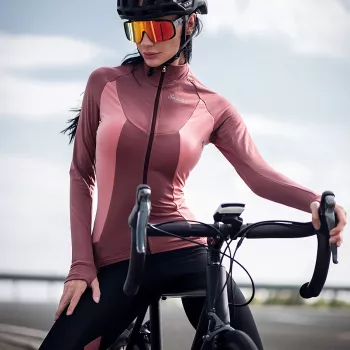
Women’s Winter Cycling Jacket for Cold-Weather Miles
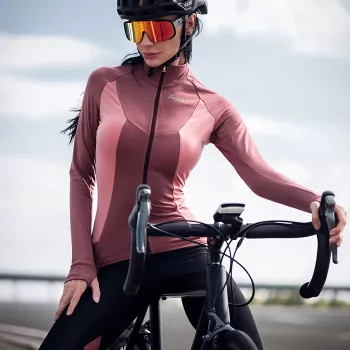
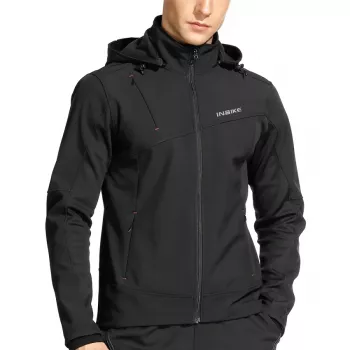
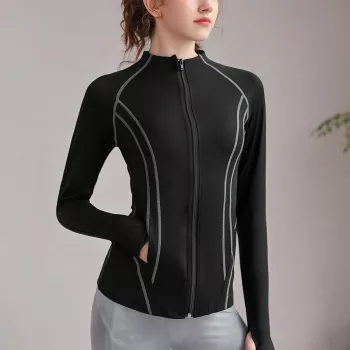
Winter riding calls for gear that blocks biting wind, holds warmth without feeling puffy, and helps drivers spot you early. Our Women’s Winter Cycling Jacket – Windproof Fleece, Reflective & Thermal Sport Coat is built for cold-weather miles, commuting, and training days when conditions change fast. Available now for $77.17 (USD) while inventory lasts.
What this jacket is made to solve on cold rides
- Cuts wind chill so descents and open stretches feel less punishing.
- Adds warmth with a fleece-lined feel so stoplights and shaded paths don’t drain heat quickly.
- Supports visibility with reflective detailing for early morning and evening rides.
- Works as a winter outer layer for cycling-focused movement where freedom to move matters.
Windproof comfort that still feels ride-ready
Windproof protection matters most at speed: even moderate temperatures can feel dramatically colder when you’re rolling into a headwind. A wind-blocking outer layer helps keep body heat from being stripped away, especially across your chest and arms—areas that take the brunt of airflow on a bike.
If you dislike the “heavy winter coat” feeling on the bike, a sport-coat style cycling layer is a practical middle ground: less bulk to bunch up at the shoulders, while still doing the job of cutting wind chill so your effort feels more consistent.
| Ride situation | What you typically feel | What a windproof layer helps with |
|---|---|---|
| Open roads or bridges | Sudden chill even if it isn’t snowing | Reduces wind bite across core and sleeves |
| Long descents | Cooling happens fast after climbing | Helps hold warmth you built up on the climb |
| Stop-and-go commuting | Feels cold at stops, then windy once moving | Creates a steadier temperature feel between stops |
Fleece warmth and thermal support for winter training
Fleece-lined comfort is a strong match for winter riding because it feels warm quickly and supports steady heat retention while you’re moving. For training rides, “warm enough” often beats “as warm as possible”—overheating on a climb can set you up to feel clammy and chilled later.
Thermal layering works best when each layer has a clear job: a base layer to manage moisture, an optional mid layer to add insulation, and an outer layer (this jacket) to shield you from wind and light weather. When conditions fluctuate, a thermal outer layer can reduce the need to overdress at the start, so you’re not stuck venting constantly once your effort ramps up.
Reflective details for earlier recognition in low light
Reflective elements help you stand out when headlights hit—especially important during winter’s shorter days and lower sun angles. For the most reliable visibility, aim for “layers” of safety: reflective details plus a good front and rear light gives drivers more chances to notice you early and judge distance better.
For commuters, reflective accents can be useful beyond night riding: dawn/dusk glare, fog, and rain can all reduce contrast and make it harder for drivers to pick out a cyclist. For broader riding safety reminders, our team also points you to the NHTSA bicycle safety guidance.
How to layer it for real-world winter conditions
Start with a fitted base layer that manages sweat. Staying dry is one of the biggest factors in staying warm—once damp fabric cools down, it can feel like your temperature drops all at once at the next stop or descent. Add an insulating mid layer only when your temperature or wind exposure demands it; too much insulation can spike overheating on climbs, then lead to chilling later.
Finish with the windproof fleece jacket to protect the warmth you’ve built while riding. Round it out with the pieces that most often make or break comfort: gloves, neck coverage, and tights. In true winter conditions, also follow common-sense cold-weather precautions like those outlined by the CDC winter weather safety resources.
| Conditions | Suggested under-layers | How the jacket fits into the system |
|---|---|---|
| Cool and breezy | Base layer only | Acts as the main wind-and-warmth barrier |
| Cold with steady wind | Base layer + light mid layer | Blocks wind while fleece supports warmth retention |
| Very cold starts, warming mid-ride | Base layer + optional removable mid layer | Keeps early chill manageable without relying on a bulky coat |
Best uses: commuting, fitness rides, and winter errands
Quick checklist before adding to cart
| Feature | Why it matters in winter cycling |
|---|---|
| Windproof outer protection | Helps reduce wind chill while riding at speed |
| Fleece warmth | Supports comfort without relying on a heavy coat feel |
| Thermal support | Helps maintain a steadier body temperature in cold conditions |
| Reflective detailing | Improves recognition by drivers in low light |
More in-stock picks from our team
- Women’s Winter Cycling Jacket – Windproof Fleece, Reflective & Thermal Sport Coat
- Is Carsharing the Right Choice for You – Practical Guide Exploring for Smarter, Cheaper, Greener Transportation Decisions
- Porcelain Dinnerware Set
FAQ
Is a windproof cycling jacket warmer than a thicker non-windproof coat?
On a bike, wind chill can pull heat away quickly, so a windproof layer often feels warmer than a thicker coat that lets air pass through. You can also pair a windproof jacket with smart under-layers to fine-tune warmth without adding bulky insulation.
How should a winter cycling jacket fit for layering?
A good winter cycling fit allows a base layer and, if needed, a light mid layer without restricting your shoulders or arms. Avoid excess looseness that can flap in the wind and create cold spots while riding.
Do reflective details replace bike lights?
No—reflective accents help when illuminated by headlights, but lights provide active visibility that works even when no one’s beams are hitting you. Use both together for the most consistent low-light presence.













Leave a comment