Sweater Styling That Works: Everyday, Work & Seasons
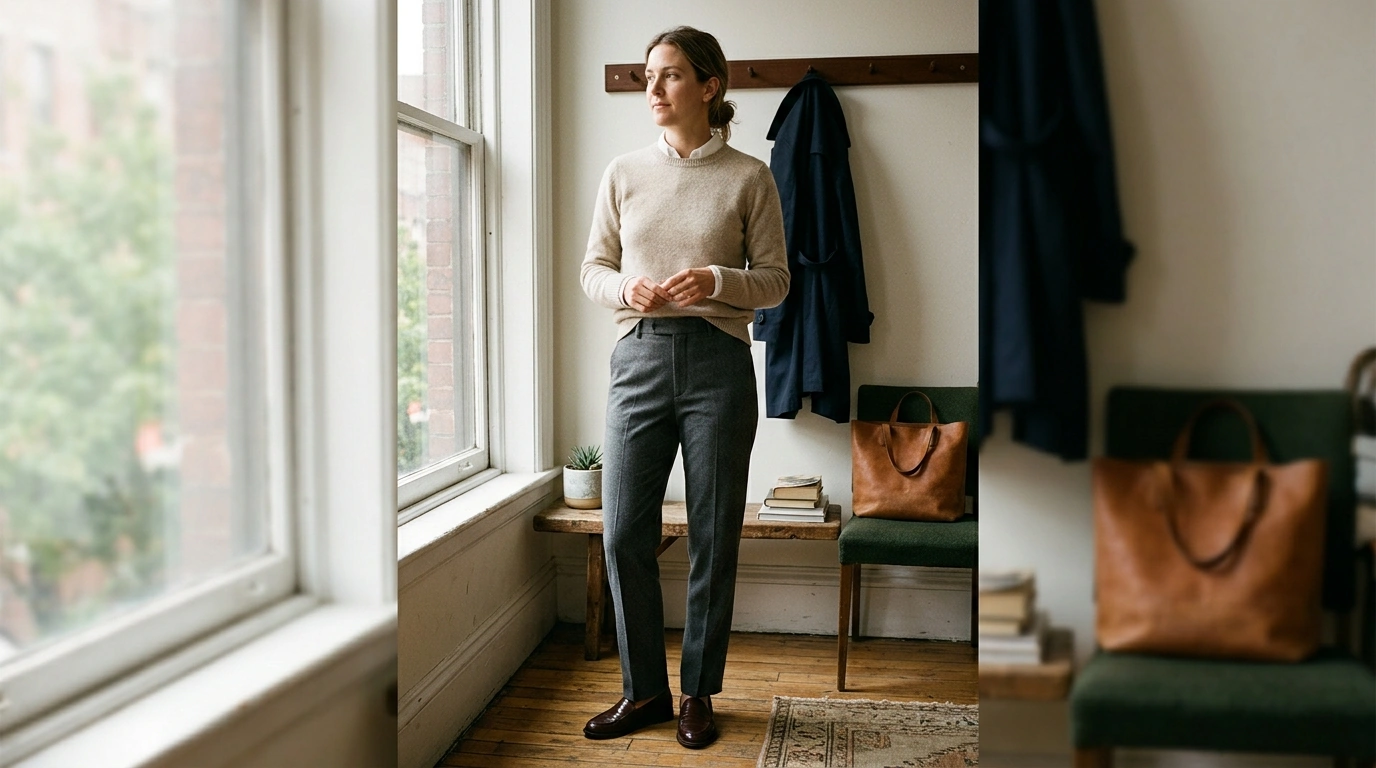
Sweater Styling That Actually Works: A Practical Guide for Everyday, Work, and Seasonal Looks
Sweaters are the most reliable closet workhorse—until they start feeling bulky, shapeless, or “fine but not quite right.” Our team put together repeatable styling moves that keep sweaters polished for workdays, easy for everyday errands, and adaptable across seasons—without needing a whole new wardrobe. For more guidance, see MFI-funded research yields knitted sweaters that can ….
Start With the Fit: The One Detail That Changes Everything
Before you worry about colors or accessories, decide what the sweater is doing on your body: fitted, classic, relaxed, or oversized. Once you pick the silhouette, the rest of the outfit is just balancing volume and choosing a clean finishing point. For further reading, see The Ultimate Guide to Workplace Dress Codes | Articles.
- Choose the silhouette first, then build around that overall volume.
- Balance rule that holds up: volume on top pairs best with a cleaner bottom; a slimmer top can handle wider-leg trousers or fuller skirts.
- Check shoulders and sleeves: shoulder seams should sit close to the shoulder bone for an intentional look—especially at work.
- Use neckline strategically: crewneck reads classic; V-neck elongates; turtleneck looks refined and warm; mock neck is a lighter alternative.
- Decide the hem plan: full tuck, half tuck, belt, or cropped layer. Try not to leave a bulky hem floating at hip level unless the look is purposely oversized.
Quick Fit-to-Outfit Pairing Guide
| Sweater fit | Best bottoms | Best layering | Best shoes |
|---|---|---|---|
| Fitted / fine-knit | Wide-leg trousers, midi skirt, tailored jeans | Blazer, trench, long coat | Loafers, ankle boots, sleek sneakers |
| Classic / straight cut | Straight jeans, tapered trousers, A-line midi | Button-down under, jacket over | Ballet flats, loafers, Chelsea boots |
| Relaxed | Slim jeans, ponte pants, slip skirt | Longline coat, utility jacket | Sneakers, ankle boots |
| Oversized | Leggings, slim jeans, straight midi skirt | Crisp shirt tail showing, structured coat | Chunky loafers, combat boots, high-top sneakers |
Everyday Outfits That Don’t Look “Thrown On”
If sweaters are your default, the goal is keeping your outfit comfortable while adding one clear sign that you chose it on purpose.
- Use a 3-piece formula: sweater + bottom + one finishing piece (jacket, scarf, belt, or statement shoe).
- Make one intentional proportion move: half-tuck, cuff sleeves, or add a belt over a longer knit.
- Add structure to casual knits: denim that fits at the waist plus a “finished” shoe (loafers, boots, or clean sneakers).
- Go tonal: sweater and bottoms in the same color family (cream/ivory, charcoal/black, navy/denim) reads instantly pulled together.
- Swap the default: trade leggings for ponte pants, or distressed denim for dark wash when you want a sharper everyday look.
Work-Ready Sweater Styling: Professional Without Feeling Stiff
For work, the difference between “cozy” and “polished” is usually texture, shoulder structure, and a clean line at the waist.
- Choose fine-knit or smooth textures for the office; chunkier knits still work when the rest is tailored.
- Layer a collared shirt under a crewneck for instant structure; keep collar points neat with a quick steam.
- Pair with tailored trousers or a midi skirt; add a belt to define the waist when the knit is longer.
- Use a “frame” layer: a blazer or structured cardigan keeps shoulders crisp in open offices.
- Work color strategy: neutrals, deep tones, or muted shades; repeat one accent color through shoes, bag, or a scarf.
- If the sweater is oversized, streamline everything else (tapered trousers, pencil skirt, or straight dark denim).
Seasonal Looks: Keep the Same Sweaters Working Year-Round
Season-by-Season Outfit Templates
| Season | Easy formula | Best fabric/weight | One upgrade that changes the whole look |
|---|---|---|---|
| Spring | Crewneck + straight jeans + trench | Lightweight cotton or fine knit | Loafers + simple belt |
| Summer (cool nights) | Cardigan + slip skirt + sandals | Cotton/viscose blends | Gold hoops or a structured bag |
| Fall | Relaxed sweater + slim trousers + ankle boots | Midweight wool blend or rib knit | Leather jacket or scarf |
| Winter | Turtleneck + tailored trousers + long coat | Wool or cashmere blend | Statement coat + sleek boots |
Layering That Stays Smooth (No Bulk, No Bunching)
Small Fixes That Make Sweaters Look Expensive
- Steam instead of ironing when possible to preserve knit texture and reduce shine.
- De-pill regularly (under arms and along sides) for a cleaner surface; Good Housekeeping’s overview is a solid reference: How to Remove Pilling From Clothes.
- Cuff sleeves once or twice to show your wrists; a watch or bracelet finishes the look without trying too hard.
- Upgrade the bag on sweater-and-denim days; a structured tote changes the whole vibe.
- Mind the tuck: a small half tuck at the front center defines the waist without bulk.
For fiber-specific care (especially wool), we also like this resource: The Woolmark Company — Wool Care Guide.
A Practical Shortcut: Build a Mini Sweater Outfit Menu
Our Practical Guides (In Stock)
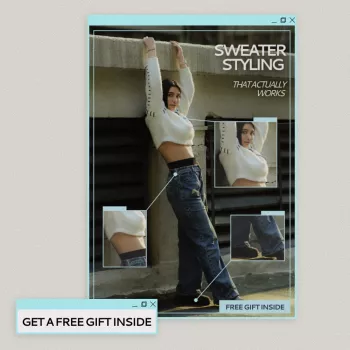
- Sweater Styling That Actually Works – A Practical Guide on How to Style Sweaters for Everyday, Work, and Seasonal Looks
- Is Carsharing the Right Choice for You – Practical Guide Exploring for Smarter, Cheaper, Greener Transportation Decisions
- Easy Holiday Potluck Bundle on a Budget – 3-in-1 Digital Download
FAQ
How can a sweater look professional at work without feeling overdressed?
Stick to fine-knit or smooth textures, then add one structured piece like a blazer or coat. A clean half-tuck or a belt sets your proportions, and polished shoes (loafers or sleek boots) keep the outfit office-ready.
What’s the easiest way to style an oversized sweater without looking sloppy?
Balance the volume with slim or straight bottoms, then make one clear hem decision—half tuck or a belt. Finish with a structured outer layer or a sharper shoe so the look reads intentional.
How do sweaters work across seasons without buying new ones?
Change your base layer, footwear, and outerwear first; those three swaps do the heavy lifting. Use lighter knits in warm months, add thermals in winter, and keep your palette flexible with neutrals plus one accent.













Leave a comment