Bushcraft Beach Tent Guide: Windproof Shade Basecamp
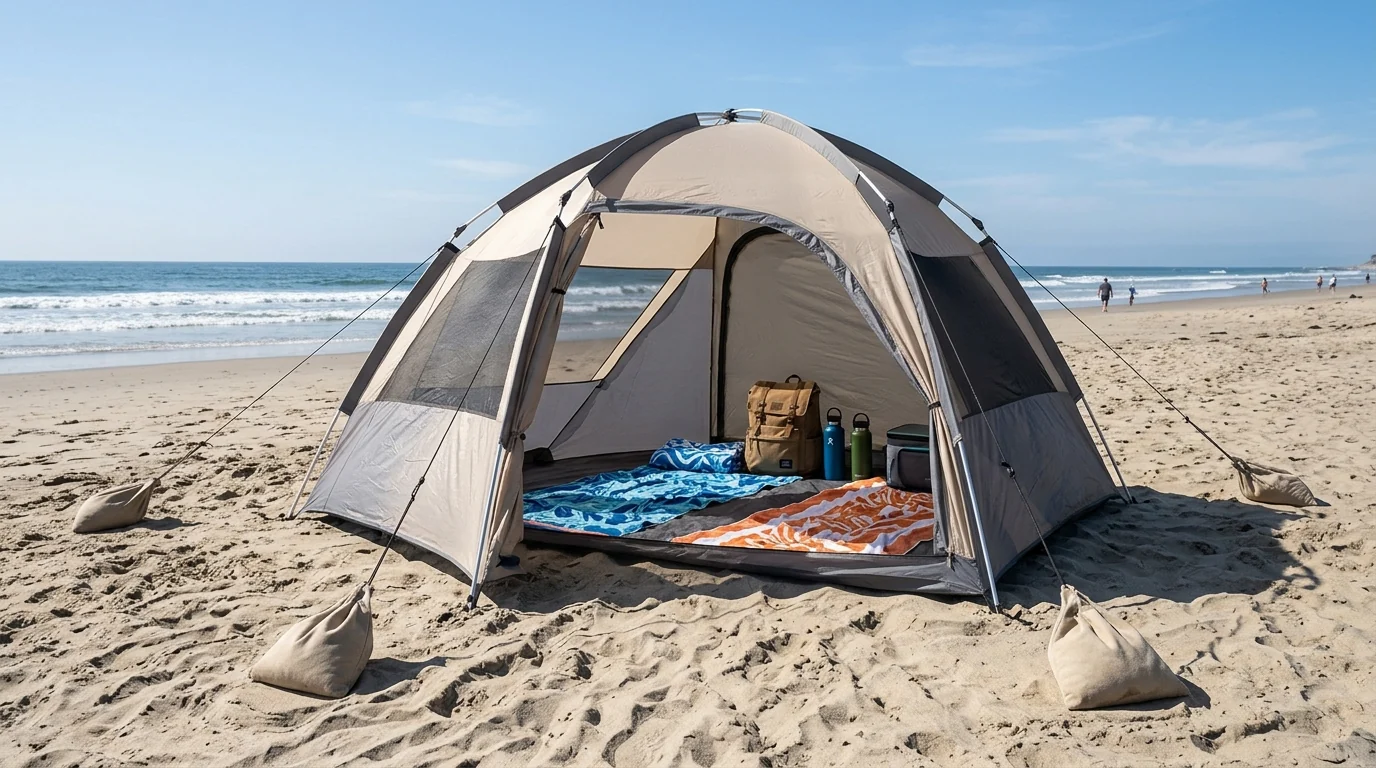
Bushcraft Beach Tent: Shade, Shelter, and a Clean Basecamp on the Sand
Beach days get better when there’s a dependable place to reset—out of the glare, out of the wind, and off the hot sand. Our team picked the Bushcraft Beach Tent for people who like a more camp-minded beach setup: a simple shelter that helps you create a small basecamp for breaks, gear, and changing, without turning your day into a complicated build.
If you’re the type who likes arriving, anchoring a “home spot,” and keeping your kit organized, this style of beach tent fits that rhythm—especially on bright, breezy shorelines.
What this tent is built to do at the beach
Choosing a good spot: small decisions that make setup easy
- Check the tide line first. Set up well above damp sand and away from the debris/wrack line so a rising tide (or wind-driven waves) doesn’t turn your basecamp into a cleanup job. NOAA’s tide planning tools can help you time it right: NOAA Tides & Currents.
- Use natural wind cues. If you can, face the lowest-profile side into the wind to cut flapping and reduce sand spray into your seating area.
- Avoid dune vegetation and protected areas. Choose open sand to protect sensitive plants and stay aligned with local beach rules.
- Look for firm sand. Slightly damp, packed sand usually holds anchors better than powdery dry sand.
- Keep a buffer from traffic. Give yourself room from umbrellas, kites, and surf zones so lines and poles aren’t in the way.
Anchoring on sand: the difference between “standing” and “staying put”
Comfort in heat, glare, and wind
- Prioritize airflow. Shade is good; shade plus ventilation is what makes breaks feel cooling instead of stuffy.
- Manage reflected sun. Sand reflects light upward into eyes and faces even when you’re sitting low, so a consistent shaded zone helps more than many people expect. Checking the UV forecast can help you plan cover and timing: U.S. National Weather Service — UV Index.
- Create a sand-control zone. Keep a small brush, cloth, or rinse bottle near the entrance so you can knock sand off feet, hands, and gear before it migrates inside.
- Set a hydration corner. Store water in the shade and keep food in a designated spot so grit doesn’t end up in everything.
- If kids are involved, use the tent as the “return point.” A consistent home base reduces wandering and makes regrouping automatic.
A simple basecamp routine that keeps gear organized
- Arrive and anchor first. Secure your shelter before unpacking small items so nothing skitters away in the wind.
- Designate zones. One side for clean towels/clothes, one side for snacks, and an outside spot for wet gear.
- Use a single “do not bury” pouch. Keys, cards, sunscreen, and phones stay together—sand is great at making small items vanish.
- Keep the entrance clear. A clutter-free opening improves airflow and cuts tripping.
- Leave cleaner than you found it. Do a quick micro-trash sweep (wrappers, twist ties, bits of tape). Leave No Trace guidance is a solid baseline for beach days: Leave No Trace Center for Outdoor Ethics.
Quick checklist: what to look for in a bushcraft-minded beach tent
| Feature | Why it matters on sand | What to aim for |
|---|---|---|
| Anchor compatibility | Sand needs more holding power than soil | Multiple tie-out points and the ability to use sandbags/deadman anchors |
| Wind profile | Gusts can turn a shelter into a sail | Lower, stable shape; tensionable lines |
| Shade coverage | Heat and glare build quickly on open beaches | A footprint that covers seating plus a small gear area |
| Airflow | Shade without airflow can feel stuffy | Openings/venting that still helps with windblown sand |
| Setup simplicity | Fast setup means you actually use it every trip | Repeatable steps in a few minutes with minimal parts |
| Cleanup and care | Salt and sand wear gear down | Materials/design that shake out, wipe down, and dry easily |
Care, storage, and long-term performance near saltwater
Bushcraft Beach Tent in our store: when it’s the right pick
Other in-stock picks you can bundle with your beach-day routine
- Porcelain Dinnerware Set for sturdier picnic serving when you want a more organized food setup away from gritty paper plates.
- Easy Holiday Potluck Bundle on a Budget – 3-in-1 Digital Download if you like planning group meals and want a simple system you can reuse for gatherings beyond the beach.
FAQ
How do you keep a beach tent from blowing away?
Set up on firmer, slightly damp sand when possible, then use buried anchors or sandbags (deadman anchors) instead of relying on thin stakes. Tension guy lines evenly, re-tension after 10–15 minutes, and if gusts rise, lower the profile and remove slack so the shelter doesn’t work itself loose.
Where should a beach tent be set up relative to the tide?
Place your tent well above the high-tide line and away from the debris/wrack line, with extra buffer for wave run-up and wind-driven water. Checking tide timing before you commit to a spot helps you avoid mid-day relocation.
How do you clean and store a beach tent after a saltwater trip?
Shake out sand thoroughly, wipe down surfaces, and rinse with fresh water if the tent took on salt spray—especially around zippers and cords. Dry it completely before storage and do a quick inspection of tie-outs so it’s ready for the next outing.














Leave a comment