Help Your Dog Stay Calm Around Loud Noises
Q: How do I get my dog to stop being scared of loud noises?
A: You won’t “turn off” noise fear overnight, but you can reliably lower your dog’s panic by pairing training with smart management and calming gear. Our team sees the best results when you reduce surprise exposure first, then rebuild confidence with short, controlled sound sessions.
A: Start with immediate comfort and safer set-ups
Create a quiet zone your dog can choose: an interior room, a covered crate, or a closet-like nook with bedding. Add steady background audio (fan, white noise, or calm music) to soften sudden booms. Close curtains, block window flashes during storms, and keep a leash handy for quick potty breaks so your dog isn’t forced outside at the loudest moments.
For many dogs, a well-fitted calming wrap can help by providing gentle, even pressure. Put it on during calm times first so it becomes a positive cue, then use it before known triggers (fireworks nights, thunderstorms, construction). Lick mats, frozen stuffed toys, or long-lasting chews can also redirect your dog into self-soothing behaviors.
A: Train calm responses with gradual sound work
Pick one trigger sound (thunder, fireworks, trucks) and play a high-quality recording at a volume so low your dog notices but stays relaxed. While it plays, feed tiny treats or engage in a simple game for 30–60 seconds, then stop. Repeat a few times, a few days per week, and only increase volume when your dog remains loose-bodied and willing to eat.
If your dog freezes, won’t take food, or starts scanning, you’re too loud or too close—lower the volume and shorten the session. Consistency matters more than speed; aim for many easy wins rather than “testing” your dog.
A: Plan ahead for fireworks and storms
Before expected noise, exercise earlier in the day, serve a meal or chew in the quiet zone, and start your white noise. Keep your dog indoors and secure identification. For dogs with severe panic, ask your vet about medication options you can combine with training.
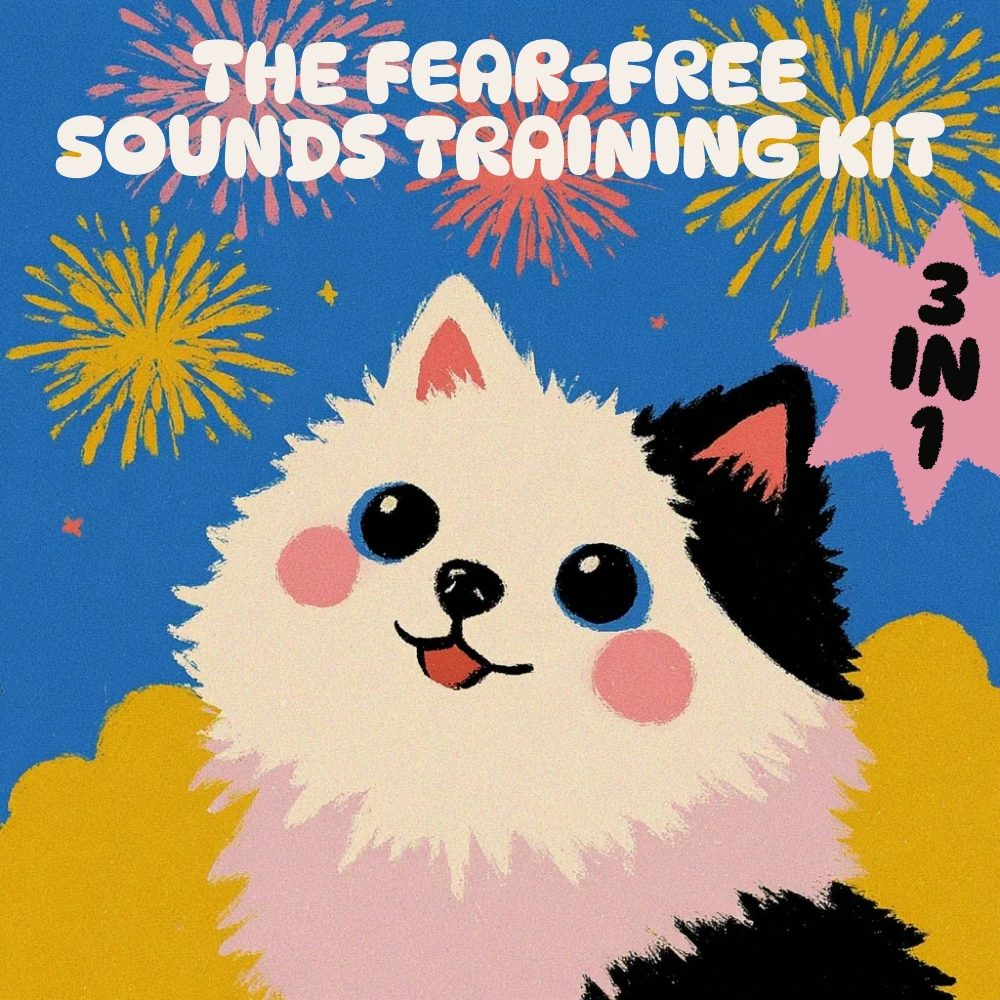
For a step-by-step routine and gear ideas, see our full guide: Fear-Free Sounds Kit: Calm Training for Noise-Sensitive Dogs.
FAQ
Should I comfort my dog during fireworks or ignore them?
Comfort your dog if they seek you out—calm, steady reassurance can help them feel safe. Avoid frantic energy, but gentle petting, quiet talking, and guiding them to their safe zone is supportive, not “rewarding fear.”















Leave a comment