Self-Cleaning Cat Litter Box Guide: Less Scooping, Less Odor
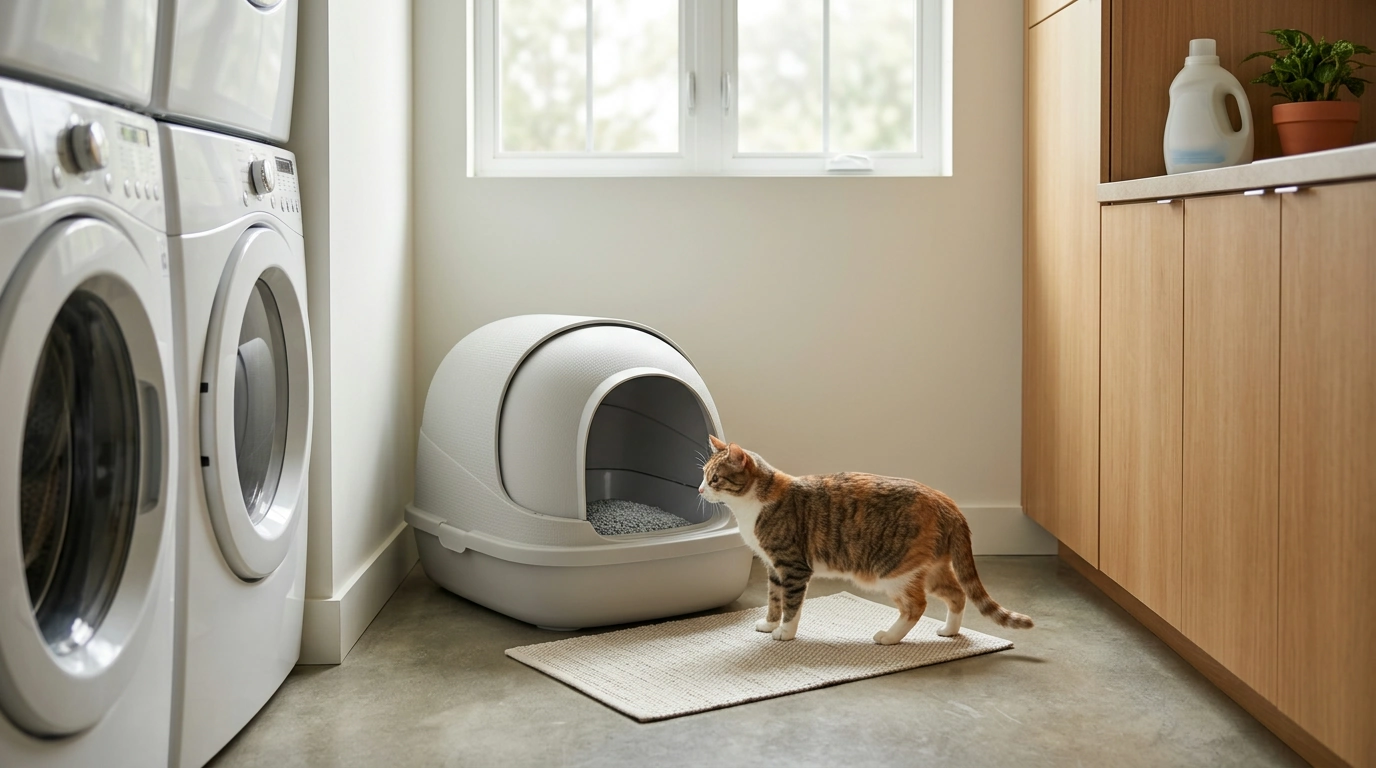
Self-Cleaning Cat Litter Box: Cleaner Homes, Happier Cats, Less Daily Scooping
A self-cleaning litter box automates the least pleasant part of cat care by separating waste from clean litter after each use. The result is a fresher-smelling space, more consistent hygiene for cats, and fewer daily chores—especially helpful for multi-cat homes, busy schedules, or anyone sensitive to odor and tracking.
Good litter box habits also play a major role in overall feline wellness. If you’re troubleshooting litter box stress or considering a change, guidance from trusted sources like the American Veterinary Medical Association (AVMA) and ASPCA can be helpful companions to what you learn from your cat at home.
What a self-cleaning litter box does (and what it doesn’t)
At its core, an automatic litter box keeps litter “reset” between visits. After your cat leaves, it runs a cycle that separates clumps and solids into a dedicated waste compartment, leaving the remaining litter ready for the next use.
- Automates waste removal by raking, rotating, or sifting litter into a sealed compartment after a set delay.
- Reduces day-to-day scooping, but still requires regular emptying of the waste bin and periodic deep cleaning.
- Helps keep litter consistently usable, which can reduce avoidance behaviors linked to dirty boxes.
- Works best with correct litter type and a calm transition period for cats that dislike change.
How the main self-cleaning designs work
Most models fall into three design families. The “best” one depends on your cat’s preferences (open vs. enclosed, entry height), your tolerance for noise, and the type of litter you plan to use.
Common designs compared
| Design type | Strengths | Watch-outs | Best for |
|---|---|---|---|
| Rake-style | Familiar layout; usually easy to see if it’s clean | Rake can stall with oversized clumps; some units expose waste bin when open | Cats that prefer open boxes |
| Rotating drum/globe | Strong odor control; consistent sifting | Footprint can be larger; entry height may be higher | Odor-sensitive homes, multi-cat spaces |
| Sifting tray/screen | Often quiet; fewer moving parts on some models | Performance depends heavily on litter type and clump strength | Noise-sensitive cats and owners |
Benefits that matter day to day
Automation isn’t just about skipping scooping—it can change how the whole room smells and feels, and how comfortable your cat is about returning to the box.
- Odor control: Faster waste isolation can reduce lingering ammonia smell; pairing with a sealed drawer and carbon filter can help further.
- Cleaner paws and floors: Fresher litter can reduce “dirty paw” tracking; some units include step areas or entry ramps that catch granules.
- Convenience: Fewer scooping sessions makes routines easier on long workdays, travel days, or during busy weeks.
- Multi-cat support: More consistent cleanliness can reduce tension, though box-count guidelines still matter.
- Monitoring: Some models provide usage cues (visually or via app) that can help spot changes in bathroom habits early.
What to look for before buying
Two litter boxes can look similar online yet behave very differently in a real home. Focus on fit (for your cat), sealing (for your nose), and cleanability (for your schedule).
- Size and entry: Ensure the interior is roomy enough for turning around; check entry height for kittens, seniors, or mobility issues.
- Noise level: Quieter cycles and delayed cleaning (often 5–15 minutes) are usually better tolerated by skittish cats.
- Waste containment: Sealed drawers, gasketed lids, and compatible liners help limit odor and mess during emptying.
- Litter compatibility: Confirm whether it supports clumping clay, crystal, or plant-based litters; the wrong granule size can cause sifting failures.
- Ease of cleaning: Smooth surfaces, removable drums/trays, and accessible corners make deep cleaning quicker.
- Safety features: Anti-pinch sensors, weight detection, and cycle interruption if a cat re-enters.
- Ongoing costs: Liners, filters, deodorizing cartridges, and recommended litter type can change monthly spend.
Quick pre-purchase checklist
| Question to ask | Why it matters | Practical target |
|---|---|---|
| Can the cat stand and turn comfortably? | Cramped spaces can lead to avoidance | Roomy interior and stable footing |
| How is waste sealed? | Better sealing = less odor | Covered, gasketed drawer or bin |
| How loud is the cleaning cycle? | Noise can frighten cats | Quiet motor + delayed cycle option |
| How hard is deep cleaning? | Dirty components cause smell over time | Removable parts; minimal crevices |
| Are safety sensors included? | Prevents cycles with a cat inside/nearby | Presence/weight detection and auto-stop |
Setup and transition tips for picky cats
For deeper background on litter tray management and training, International Cat Care offers practical, cat-centered guidance.
Maintenance that keeps performance and odor under control
Troubleshooting common issues
Featured option for larger cats and busy households
Product to consider: Self-Cleaning Cat Litter Box XL (in stock).
At-a-glance: Self-Cleaning Cat Litter Box XL
| Item | Details |
|---|---|
| Name | Self-Cleaning Cat Litter Box XL |
| Price | 539.47 USD |
| Availability | In stock |
| Product page | View product |
Also in stock for the home
- Porcelain Dinnerware Set (easy-clean upgrade for daily meals)
FAQ
Do self-cleaning litter boxes work for multiple cats?
Yes, as long as the unit’s capacity matches your household—waste drawers fill faster with two or more cats, so emptying typically needs to happen more often. Some cats still prefer more than one box based on personality and home layout, so watch for crowding or guarding behaviors.
What type of litter works best in an automatic litter box?
It depends on the design, but strong-clumping, low-dust litter with an appropriate granule size usually performs best. Always follow the manufacturer’s compatibility guidance to prevent sticking, sifting failures, or motor jams.
How often does a self-cleaning litter box need to be emptied and cleaned?
Most homes empty the waste drawer every few days to about once a week, depending on how many cats use it. Deep cleaning is commonly needed every 2–4 weeks, and any filters or deodorizing inserts should be replaced on the schedule recommended for the specific model.














Leave a comment