Printable Dental Checklist for Dogs & Cats (Daily/Weekly)
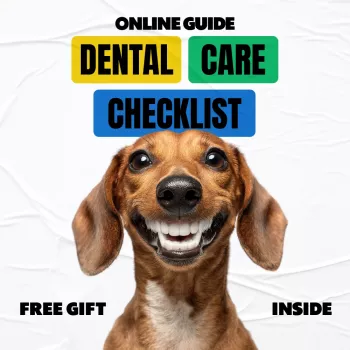
Daily Dental Care Made Simple: A Printable Routine for Dogs and Cats
Daily brushing and quick weekly checks can make a noticeable difference in a pet’s breath, gum comfort, and long-term dental health. A printable checklist turns dental care into a consistent habit: it shows what to do, how often to do it, and what to watch for—so small issues don’t get missed between vet visits.
Pairing at-home tracking with veterinary guidance is a practical approach supported by organizations like the American Veterinary Medical Association (AVMA) and the Veterinary Oral Health Council (VOHC), especially when it comes to choosing products and knowing when to schedule professional care.
Why a Dental Checklist Helps (Even When Life Gets Busy)
- Creates a repeatable routine with daily, weekly, and monthly steps that are easy to follow.
- Improves consistency in multi-pet households by tracking each dog or cat separately.
- Helps spot trends early—worsening breath, gum redness, or plaque buildup—before they turn painful.
- Makes vet appointments more productive by bringing notes on symptoms, dates, and changes.
What to Gather for an Easy At-Home Routine
- A pet toothbrush (or finger brush) sized for dogs/cats; replace when bristles fray.
- Pet-safe toothpaste only (never human toothpaste, which may include xylitol or fluoride).
- Dental wipes for backup on low-energy days or while a pet is still learning brushing.
- Vet-accepted dental chews or dental diets when appropriate for your pet’s size, age, and chewing style.
- A calm setup: non-slip mat, 30–60 second sessions, and a reward after mouth handling.
How to Use the Printable Dental Care Checklist
- Start with realistic goals: begin with 2–3 brushing sessions per week, then build toward daily.
- Mark completion, not perfection—short and consistent beats occasional marathon sessions.
- Track tolerance and behavior notes (pulling away, pawing at mouth, drooling) to guide your training pace.
- Use an “oral health observations” area to log breath level, gum color, tartar on back molars, and any broken teeth.
- Bring your tracker to routine vet visits and ask for a dental risk assessment based on what you recorded.
Daily Routine (2 Minutes): Brush + Quick Look
- Brush the outer tooth surfaces (cheek side) first—this is where plaque commonly accumulates.
- Spend extra seconds on the back teeth (premolars/molars), where tartar often builds fastest.
- Lift the lip to check the gumline: healthy gums are typically pink; note redness, swelling, or bleeding.
- Keep it brief and positive: stop before frustration starts and end with a reward.
- If brushing isn’t possible that day, use a dental wipe and log it—consistency still counts.
Weekly Routine: A Deeper Check and Supportive Care
- Inspect both sides of the mouth under good lighting; note plaque/tartar shifts (yellow to brown).
- Check for chipped or broken teeth, especially for dogs that chew hard objects.
- Look for inflamed gumlines, receding gums, or new sensitivity to touch.
- Wash or replace oral tools (brush head, finger brush) according to product guidance.
- Add supportive options (vet-approved chews, dental diet, or water additives) only if they fit your pet’s health profile.
At-Home Oral Health Tracker: What to Check and What It May Suggest
| What to note | What it can mean | What to do next |
|---|---|---|
| Bad breath that’s suddenly stronger | Plaque buildup, gum irritation, possible dental disease | Increase brushing consistency; schedule a vet dental exam if it persists |
| Red or bleeding gums | Gingivitis or inflammation | Pause hard chews; brush gently; contact a vet if bleeding continues |
| Brown tartar on back teeth | Hardened calculus that brushing can’t remove | Ask a vet about professional cleaning; keep tracking progression |
| Drooling or pawing at the mouth | Oral pain, tooth injury, or infection | Seek veterinary evaluation promptly |
| Reluctance to chew or chewing on one side | Tooth fracture, gum pain, or abscess | Vet visit recommended; note which side and when it started |
Monthly Routine: Reset the Plan and Prepare for Vet Checkups
- Review your checklist to find patterns (missed days, stressful times of day) and adjust to a more achievable schedule.
- Replace supplies as needed (toothpaste, brush, wipes) and confirm products still match your pet’s age and weight.
- Recheck treat and chew calories to avoid slow, unintended weight gain.
- If tartar or gum irritation appears to be worsening, plan a veterinary dental consult and bring your tracker notes.
Training Tips for Pets That Resist Brushing
When At-Home Tracking Isn’t Enough
Printable Option: Dental Care Checklist and Oral Health Tracker for Dogs & Cats
- Your Pet Dental Care Checklist – Easy Pet Dental Care Routine Printable, At-Home Oral Health Tracker for Dogs & Cats
- Is Carsharing the Right Choice for You – Practical Guide Exploring for Smarter, Cheaper, Greener Transportation Decisions
- Easy Holiday Potluck Bundle on a Budget – 3-in-1 Digital Download
FAQ
How often should dogs and cats have their teeth brushed?
Daily brushing is ideal for reducing plaque, but consistency matters most. If daily isn’t realistic yet, start a few times per week and build up, focusing on the outer surfaces and the back teeth.
Is it safe to use human toothpaste for pets?
No. Human toothpaste can contain ingredients pets shouldn’t swallow. Use toothpaste made specifically for dogs or cats, and ask a veterinarian if your pet has any health conditions that affect ingredient choices.
What signs mean a pet should see a vet for dental problems?
Persistent bad breath, red or bleeding gums, drooling, pawing at the mouth, reluctance to chew, swelling, or broken teeth are common warning signs. Record when you noticed the change and arrange a veterinary exam, especially if pain is suspected.
















Leave a comment