Dog Daycare Pros & Cons: Costs, Safety, Best Fit
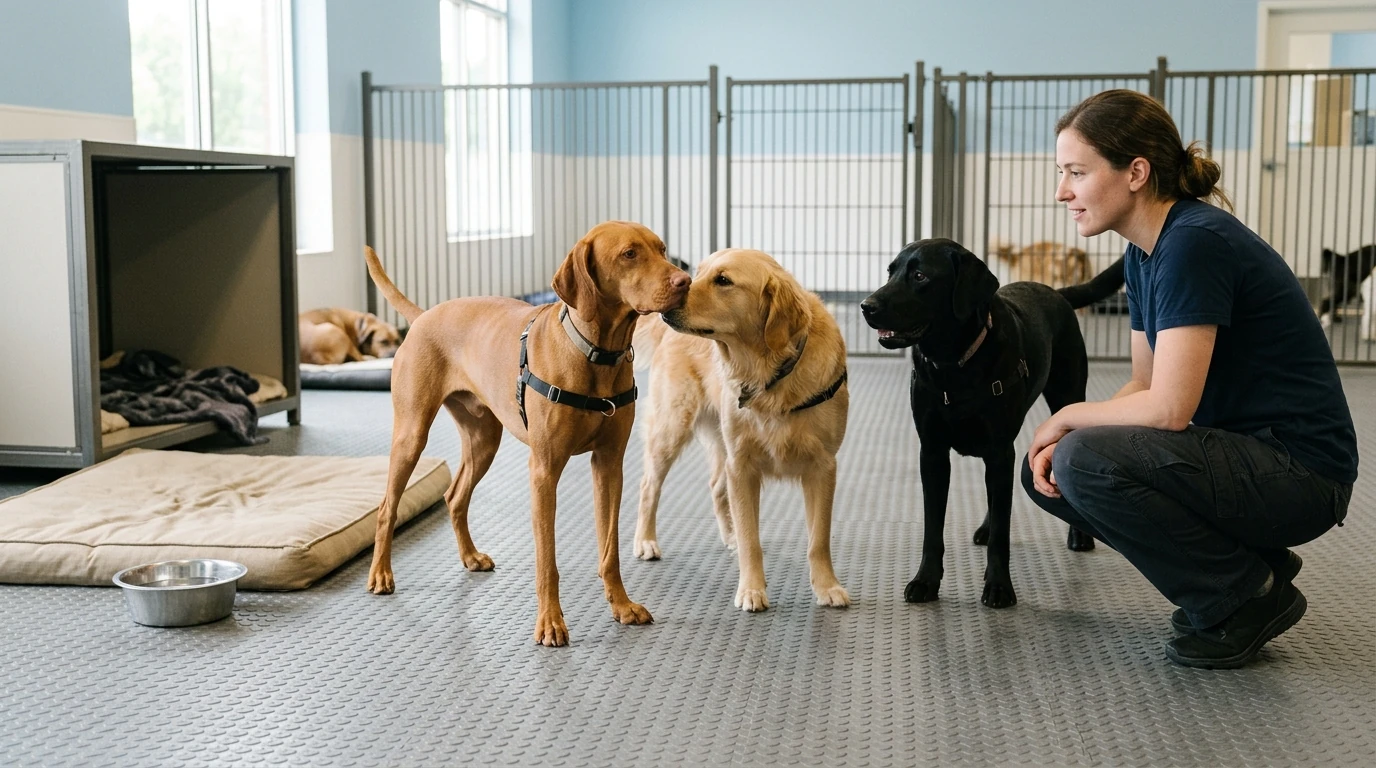
Dog Daycare Pros and Cons: A Practical Guide for Pet Parents
Dog daycare can be a game-changer for busy households, high-energy dogs, and pups who thrive on structured play. It can also backfire if the environment is chaotic, supervision is weak, or a dog’s needs don’t match group care. This guide breaks down benefits, drawbacks, costs, and safety checks so daycare choices feel clear and confident.
What Dog Daycare Is (and What It Isn’t)
Dog daycare is supervised care during the day, typically built around planned play blocks, rest periods, and sometimes feeding or enrichment add-ons. Unlike a dog park, staff should be actively monitoring interactions and stepping in early when play starts to escalate. And unlike boarding, daycare generally doesn’t include overnight stays.
Common formats include open play (larger mixed groups), playgroups organized by size or temperament, hybrid daycare with short training sessions, and small “home-style” daycares with fewer dogs. The best programs balance stimulation with downtime—because nonstop arousal can raise stress and make behavior worse, not better.
Pros: When Daycare Helps Most
1) A healthier physical outlet
For dogs who struggle to settle at home, structured play and movement can take the edge off. Many pet parents notice less pacing, chewing, and “zoomies” on daycare days—especially with young adult and adolescent dogs.
2) Mental enrichment beyond the backyard
New scents, new routines, and varied enrichment can prevent boredom. Even dogs that don’t play hard may benefit from calm sniffing time, puzzle breaks, and learning to relax around activity.
3) Safer social skill practice (when done right)
Quality daycare gives dogs chances to practice polite greetings, play that includes pauses, and disengaging when another dog says “no thanks.” Controlled interactions can build resilience and improve communication.
4) Routine support for some separation-related issues
Consistent schedules and mid-day activity can help certain dogs who struggle when left alone. Daycare isn’t a treatment plan by itself, but it can be part of a larger routine that reduces daily stress.
5) Real-life convenience
Daycare can be reliable coverage for long workdays, medical appointments, or days packed with errands—without feeling like the dog is “waiting out the clock” at home.
Cons: Real Risks and Downsides to Weigh
Illness exposure
More dog-to-dog contact increases the chance of contagious illness (like kennel cough), GI bugs, and parasites. Strong health protocols matter, and vaccine requirements should align with a veterinarian’s guidance. For general disease-prevention basics, the CDC’s Healthy Pets, Healthy People resources are a solid reference point.
Injuries from rough play or poor setup
Even friendly dogs can get hurt if groups are mismatched, floors are slippery, yards are overcrowded, or staff intervene late. Common issues range from nail tears and sprains to bite wounds when tension builds.
Stress and overstimulation
Not every dog enjoys constant proximity to other dogs. Some become hyperaroused (spinning, barking, body-slamming), while others “shut down” quietly—both can be signs the environment is too intense. Helpful background on social development can be found through the AKC’s dog socialization guidance.
Behavioral “bad habits” can be practiced daily
Quality varies widely
Quick Fit Check: Which Dogs Usually Do Well (and Which Often Don’t)
| Dog profile | Likely daycare experience | Best setup |
|---|---|---|
| High-energy adolescent | May thrive with structure; may get overstimulated | Multiple short play blocks + enforced rest; trained staff |
| Shy/fearful dog | Risk of shutdown or defensive reactions | Small calm group, gradual intro, opt-out spaces |
| Social butterfly adult | Often enjoys group play | Playgroups by size/temperament; consistent supervision |
| Senior or arthritic dog | May tire quickly; injury risk if play is rough | Low-impact enrichment, quiet room, limited play |
| Dog-reactive dog | High risk of setbacks | Alternative care: solo enrichment, walks, or trainer-led plan |
Costs and Value: What You’re Really Paying For
Safety and Quality Checklist for Choosing a Facility
Screening and separation plans
Staffing and supervision
Ask for the dog-to-attendant ratio and whether dogs are supervised during every play period. Staff should be trained to spot early signs of stress, tension, or overarousal (stiff bodies, hard staring, repeated pinning, “not listening” to cut-off signals). The AVMA pet care resources are a reputable place to learn more about behavior and handling basics.
Facility design and health protocols
How to Start Daycare Without Creating Burnout
Alternatives to Daycare (When Group Care Isn’t the Best Choice)
A Practical Reference Guide for Making the Call
For a structured decision tool that helps compare programs and track results, see Dog Daycare Pros and Cons – Practical Guide for Pet Parents | Smart Decisions About Daycare, Socialization, Costs & Care. If you like practical “is this right for me?” checklists in other areas too, Is Carsharing the Right Choice for You – Practical Guide Exploring for Smarter, Cheaper, Greener Transportation Decisions is another straightforward comparison guide.
FAQ
How often should a dog go to daycare?
Many dogs do best with 1–3 days per week, adjusted to energy level, age, and how well they recover afterward. Start with a short trial day and increase only if your dog comes home relaxed, eats normally, and shows no lingering stress signs.
What vaccines are typically required for dog daycare?
Requirements vary by facility and should be discussed with your veterinarian, but many daycares ask for rabies and core vaccines, and often bordetella as well. Confirm the facility’s written policy and ask how they handle outbreaks or exposure notifications.
What are red flags at a dog daycare?
Common red flags include overcrowded play areas, poor separation by size/temperament, no enforced rest breaks, vague answers about supervision ratios, strong odor or visibly dirty spaces, and no screening process. Lack of transparency about injuries or incidents is also a reason to walk away.
















Leave a comment