AI Sustainable Wardrobe Planner: Checklist + Outfit AI
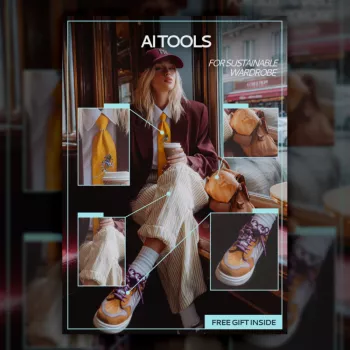
AI Tools for a Sustainable Wardrobe: Checklist and Ethical Fashion Planner (Digital Download)
A sustainable wardrobe gets easier when decisions are guided by a clear checklist, consistent criteria, and repeatable outfit planning. Instead of relying on willpower at the checkout screen, a simple system helps reduce impulse buys, rewear what’s already owned, and build a closet that fits real life—season after season.
The AI Tools for Sustainable Wardrobe Checklist digital download combines an ethical fashion planner with AI-friendly workflows for faster organization, outfit planning, and values-based shopping guardrails.
What the planner helps accomplish
- Turn a vague goal (“shop more ethically”) into a set of concrete steps and quick decisions.
- Create a practical wardrobe baseline: what’s owned, what’s worn, what’s missing, and what can be repaired or tailored.
- Replace random shopping with a plan: intentional wish lists, cost-per-wear thinking, and outfit-first purchases.
- Use AI for fast organization: summaries, outfit formulas, packing lists, and decision checklists without starting from scratch each time.
Ethical fashion can feel overwhelming because it mixes emotions (guilt, aspiration, identity) with logistics (fit, care, climate, budget). A planner helps by shrinking decisions into repeatable “yes/no” checkpoints—so progress happens even during busy weeks.
How AI fits into ethical fashion decisions
- Closet clarity: AI can help categorize items by season, color, fabric, and use-case from a simple inventory list.
- Outfit planning: Generate outfit combinations using what’s already owned, including constraints like weather, dress code, and comfort needs.
- Gap analysis: Identify the smallest number of additions that unlock the most outfits (rather than buying duplicates).
- Shopping guardrails: Convert personal values into a decision rubric (materials, durability, care needs, labor transparency, shipping impact).
- Care and repair support: Get tailored care instructions by fabric type, stain scenarios, and repair ideas to extend garment life.
AI works best as a “clarity layer” over choices that are already yours to make. It can speed up sorting, brainstorming, and formatting, but it doesn’t replace brand research or supply-chain verification. For deeper context on the fashion system and circularity, see the Ellen MacArthur Foundation’s fashion and circular economy overview and the OECD due diligence guidance.
A sustainable wardrobe workflow (from audit to outfits)
This workflow keeps things realistic: it starts with what exists, then builds a small set of outfit “defaults,” and only then allows shopping—if the math actually works.
- Step 1 — Closet audit: List items by category, note fit issues, and tag each piece as “Wear weekly,” “Occasional,” “Needs repair,” or “Ready to release.”
- Step 2 — Define non-negotiables: Climate, lifestyle, sensory needs, and the silhouettes that feel best.
- Step 3 — Choose 3–5 outfit formulas: Repeatable combinations (example: straight-leg jeans + knit + layer; midi skirt + tee + jacket).
- Step 4 — Build a short, values-based wish list: Only items that complete multiple outfits and replace worn-out essentials.
- Step 5 — Implement a one-in, one-out rule (when appropriate) and schedule seasonal check-ins.
Checklist snapshot: smart ethical wardrobe planning
| Stage | What to do | AI-supported prompt idea | Result |
|---|---|---|---|
| Inventory | List items by category and season; note duplicates | “Group this inventory into categories and flag near-duplicates and gaps.” | Clear view of what’s owned |
| Wear test | Mark what was worn in the last 30–60 days | “Suggest reasons items aren’t worn and propose 3 ways to style each.” | More rewear, fewer orphan pieces |
| Repair plan | Collect items needing buttons, hemming, mending | “Create a prioritized repair list by cost, time, and impact.” | Extended lifespan for key garments |
| Outfit bank | Create 15–30 outfits from current closet | “Generate outfits for work, weekend, and events using only these items.” | Less shopping, easier mornings |
| Shopping rules | Set thresholds for fabric, quality, transparency, budget | “Turn these values into a yes/no checklist for purchases.” | Fewer regrets, better cost-per-wear |
Ethical fashion criteria that can be checked quickly
- Materials and blends: Prioritize durability and lower-impact fibers where practical; avoid hard-to-care-for pieces that won’t be worn.
- Construction quality: Check seams, lining, closures, fabric weight, and finishing that signals longevity.
- Care requirements: Choose items that match real laundry habits to prevent early wear or “dry-clean-only” avoidance.
- Transparency signals: Look for clear supplier information, credible certifications where applicable, and repair/return policies.
- Secondhand-first approach: Consider resale platforms, swaps, and local thrift before buying new—especially for trend-led items.
Ethical fashion also connects to wider initiatives that encourage better industry practices. The UN Alliance for Sustainable Fashion is one place to explore broader collaboration and education.
AI-powered closet ideas to reduce shopping and increase outfits
To support your overall low-waste lifestyle beyond clothing, consider pairing wardrobe planning with other practical choices, like transportation and home essentials. The Is Carsharing the Right Choice for You guide can help evaluate greener transportation routines, and a long-lasting staple like the Porcelain Dinnerware Set can support more reusable habits at home.
Using the digital download effectively
FAQ
What do AI tools actually do for a sustainable wardrobe?
They help organize an inventory, generate outfits from what you already own, spot gaps and near-duplicates, and turn personal values into a simple purchase checklist. They support decision-making, but brand research and verification still matter.
Is this planner useful if shopping is mostly secondhand?
Yes—secondhand-first shopping works best with a clear wish list and rules that prevent accidental duplicates. The planner helps prioritize alterations and repairs, and it encourages building outfits before buying.
How often should a wardrobe checklist be updated?
A quick monthly update is enough for most people, with a deeper seasonal review 2–4 times per year. It’s also worth updating after major fit changes, climate shifts, or lifestyle changes.












Leave a comment