Sleek Women’s Leather Backpack for School & Travel
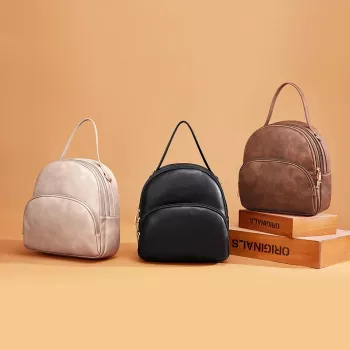
Stylish Women’s Leather Backpack for School, Travel, and Everyday Life
A leather backpack can streamline busy days by combining a polished look with hands-free comfort. The right design works for classes, commuting, weekend trips, and daily errands—without looking bulky or feeling like a “gear bag.” Below are the features that matter most, plus easy packing ideas, simple care tips, and quick answers to common questions. For more guidance, see We Tested the Best Work Backpacks for Women in 2026.
Why a leather backpack works for school, travel, and daily errands
When schedules are packed, a backpack earns its place by making movement easier. Compared with totes or shoulder bags, it keeps your hands free for coffee, a phone, or a rolling suitcase handle.
- Hands-free carry: Helpful for walking between classes, commuting on foot, or weaving through airports and stations.
- A put-together silhouette: Leather naturally reads more refined, so it can complement denim and sneakers or office-ready layers.
- Durability for daily use: Quality leather resists snags and can hold up well to frequent opening, closing, and setting the bag down.
- One bag, many scenarios: A versatile backpack transitions from weekday routines to weekend plans with minimal repacking.
For comfort and load management, backpack safety guidance from the American Academy of Orthopaedic Surgeons (AAOS) emphasizes keeping weight reasonable and wearing straps properly—both especially relevant when carrying tech and daily essentials.
Design details that keep it stylish (and not bulky)
A women’s leather backpack looks best when it holds its shape and keeps visual clutter to a minimum. Small design choices can make the difference between sleek and overloaded.
- Clean lines and minimal hardware: A simpler front panel pairs easily with dresses, denim, or business casual.
- Structure that stays upright: A bag that maintains its form (even partially filled) avoids the slouchy look that can feel overly casual.
- Neutral tones and subtle texture: Blacks, browns, and soft neutrals coordinate with most wardrobes while still looking intentional.
- Smart pockets without bulk: Useful compartments should be placed where they help organization, not where they add visual puffiness.
If sustainability and sourcing are important, it can help to look for brands aligned with responsible leather practices. The Leather Working Group provides information on industry certification and standards.
Comfort for all-day wear: straps, back panel, and weight balance
Even the best-looking backpack won’t get used if it’s uncomfortable. Comfort is mostly determined by strap design, how the bag sits on your back, and how you pack it.
- Adjustable straps: Essential for different heights and seasonal layers (coats, blazers, hoodies).
- Balanced weight distribution: Two straps generally reduce single-shoulder strain compared with totes and many crossbodies.
- A stable back panel: A flatter, more stable contact area helps the bag feel secure while walking or biking.
- Pack with balance in mind: Place heavier items closest to the back panel to improve stability and reduce pulling.
Organization that supports real routines
Organization isn’t about having the most pockets—it’s about having pockets that match how you actually move through the day. The goal is to avoid rummaging, protect small items, and keep the main compartment from becoming a “catch-all.”
- Main compartment space: Enough room for daily essentials without forcing overstuffing, which can strain seams and zippers.
- Separate zones for small items: Keys, lip balm, and chargers are easier to grab when they have a consistent home.
- Quick-access areas: Ideal for a phone, transit pass, or boarding documents when timing matters.
- Flexible layout: A setup that makes sense for both “desk day” needs (school/work) and “out-the-door” days (appointments and errands).
What it can carry: school day vs. travel day packing ideas
A leather backpack can be a reliable daily carry if you pack it with intention. Slim pouches help prevent small items from sinking to the bottom and keep the interior looking neat.
Quick packing checklist by scenario
| Scenario | Core items | Nice-to-have extras | Organization tip |
|---|---|---|---|
| School / campus | Notebook or planner, pens, charger, water bottle | Snack, umbrella, hand cream | Keep pens/chargers in one pouch to avoid loose cords |
| Commute / workday | Wallet, keys, phone, badge/transit card, small tech kit | Sunglasses, reusable tote | Use a quick-access pocket for badge/transit card |
| Travel day | ID/passport, earbuds, power bank, sanitizer, snack | Mini toiletry pouch, light scarf | Group documents in a flat sleeve so they stay unbent |
| Weekend errands | Keys, wallet, phone, sunglasses, small pouch | Compact umbrella, water bottle | Place grab-and-go items in the same pocket every time |
Care and upkeep: keeping leather looking polished
When a leather backpack is the right choice (and when it isn’t)
Product picks for commuting and getting around
- Stylish Women’s Leather Backpack – Perfect for School, Travel, and Everyday Use ($47.82) — a versatile, fashion-forward choice designed for school, travel, and everyday errands.
- Is Carsharing the Right Choice for You – Practical Guide Exploring for Smarter, Cheaper, Greener Transportation Decisions ($10.99) — a handy read for commuters weighing flexible transportation options alongside a walkable, backpack-friendly routine.
FAQ
How do you clean and condition a leather backpack?
Wipe it with a soft, dry cloth regularly, then spot clean gently as needed. Condition occasionally using a leather conditioner (test first in a hidden area), avoid soaking the leather, and always air-dry away from direct heat; store it lightly stuffed to keep its shape.
Is a leather backpack comfortable enough for daily commuting?
It can be very comfortable when it has adjustable straps and you pack it with heavier items close to the back panel for better balance. Backpacks typically distribute weight more evenly than single-strap bags, especially when you avoid overloading.
What should be kept in easy-access pockets when traveling?
Keep high-frequency items like your phone, ID/transit card, boarding documents, sanitizer, and earbuds within quick reach. Using the same pocket for the same items every trip helps prevent last-minute searching.













Leave a comment