Budget Style Hacks: Build a Better Wardrobe for Less
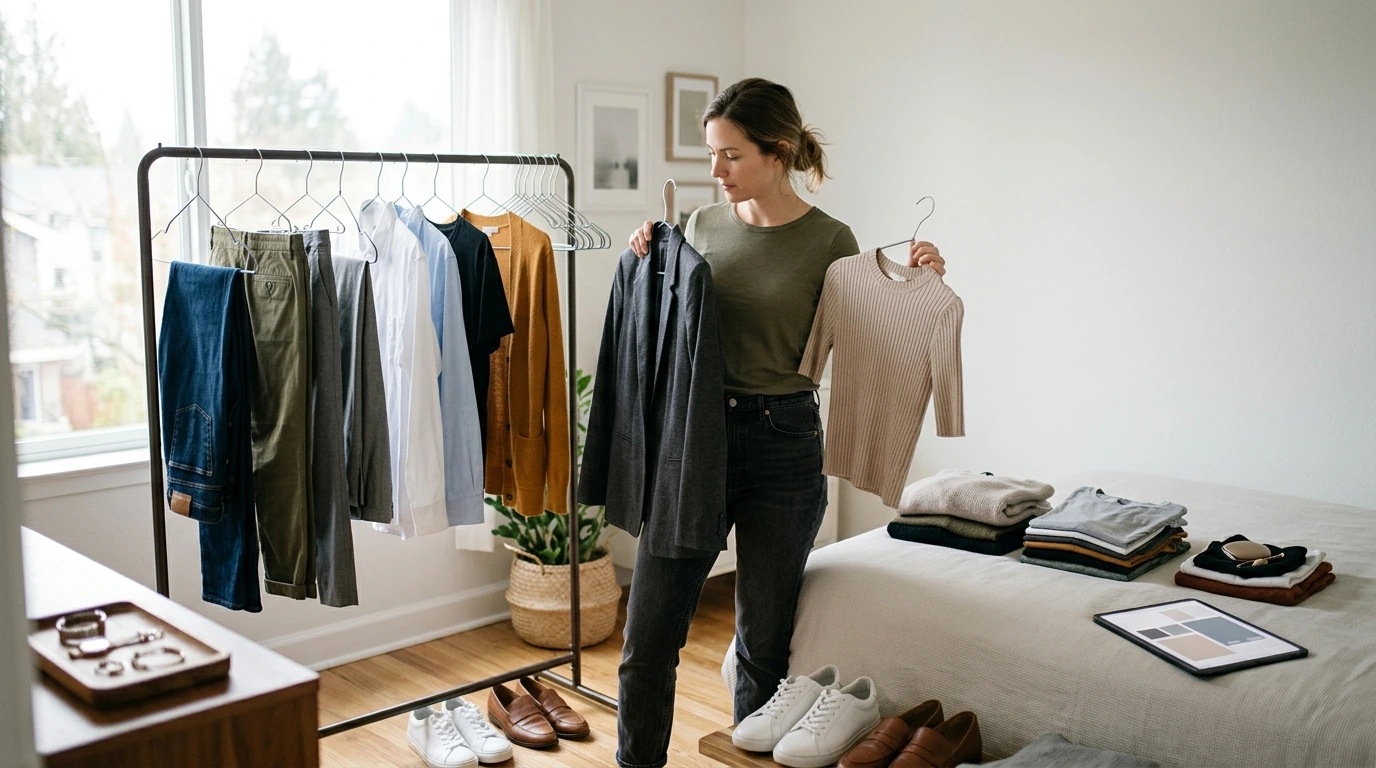
Smart Style on a Shoestring: Budget Style Hacks for a Better Wardrobe and Everyday Confidence
Looking put-together doesn’t require a big closet or constant shopping. With a few practical rules—plus a plan for what to buy, what to skip, and how to style what’s already owned—everyday outfits get easier, more flattering, and far less expensive. The goal is simple: spend less overall by making smarter, higher-use choices, then repeating those wins with a system you can rely on.
The core idea: spend less by choosing better
Budget style works best when it’s built on repeatability, not random “good deals.” Instead of chasing trend cycles, aim for pieces and outfit formulas that do more with less.
- Focus on versatility first: choose items that work across multiple outfits, seasons, and settings (work, errands, weekend).
- Prioritize fit and proportion over trends: a well-fitting basic often reads “expensive” no matter the price tag.
- Use a repeatable uniform: a handful of outfit formulas you can refresh with accessories and layers.
- Reduce impulse buys: keep a short list of wardrobe gaps to fill slowly, so purchases stay intentional.
What the “Smart Style on a Shoestring” eBook is designed to help with
When your closet feels like “lots of pieces, nothing to wear,” it’s usually a systems problem—not a shopping problem. A guided plan can make the process faster and less emotional.
- Budget-friendly style systems that reduce decision fatigue on busy mornings.
- Smart wardrobe building steps: edit, plan, shop intentionally, and style what’s already owned.
- Affordable fashion tactics: where to look, what to check (fabric, construction, fit), and how to avoid costly mistakes.
- Everyday outfit confidence: simple ways to feel pulled-together without needing new clothes constantly.
- A clear path from “random pieces” to a coordinated closet that mixes and matches.
If you want a structured, digital plan to put these habits on autopilot, Smart Style on a Shoestring – Budget Style Hacks eBook is built for practical progress on a realistic budget.
A simple wardrobe audit that saves money immediately
Before buying anything new, use a fast audit to spot what’s already working—and what’s quietly draining money (and confidence).
- Make three quick piles: Wear Often, Maybe, and Not Working. Keep it moving to avoid overthinking.
- Identify your patterns: the colors, silhouettes, and fabrics you reach for repeatedly are your real style anchors.
- Write down friction points: “nothing goes with these pants,” “tops are too sheer,” “shoes hurt,” “this wrinkles instantly.”
- Try “one in, one out” temporarily: it prevents the closet from refilling with duplicates while you rebuild intentionally.
For secondhand shopping, donating, or reselling, it helps to know what organizations accept and how thrifting ecosystems work. Goodwill’s donation and resale model is a helpful reference point: Goodwill Industries International.
Smart wardrobe building: the 10-piece foundation method
A “foundation” isn’t about owning only 10 pieces forever—it’s about identifying a small core that carries most outfits. Build that core first, then add personality and variety in smaller doses.
- Choose a tight color palette: 2–3 neutrals + 1–2 accent colors makes mixing effortless.
- Build around high-frequency pieces: comfortable shoes, everyday pants/jeans, a layering top, and an outer layer.
- Demand more from every purchase: require at least 3 complete outfits per new piece before buying.
- Tailor strategically: inexpensive hemming can make budget finds look custom and instantly more polished.
| Foundation piece | Why it earns a spot | Outfit mileage goal |
|---|---|---|
| Dark straight-leg jeans | Works casual-to-polished with shoe swaps | 5+ outfits |
| Neutral layering tee or knit | Base layer for jackets, cardigans, button-downs | 6+ outfits |
| Button-down or structured top | Instantly sharpens denim and skirts | 4+ outfits |
| Versatile jacket (denim, blazer, or utility) | Adds structure; finishes outfits | 5+ outfits |
| Comfortable everyday shoes | Confidence depends on comfort; supports daily wear | 6+ outfits |
Everyday outfit confidence: 5 repeatable outfit formulas
When you can rely on a few formulas, you stop “starting from scratch” each morning. Keep the formulas consistent and rotate colors, layers, and focal points.
Affordable fashion shopping rules that prevent regret
Planned purchasing is a consumer skill that works across categories—clothing included. For a practical example of checklist thinking, the Federal Trade Commission’s consumer guidance is a solid reference: Federal Trade Commission.
Make what you own look better: low-cost upgrades
When to add new pieces (and when to stop shopping)
Product option: a guided plan in a digital format
- Smart Style on a Shoestring is a digital eBook built around practical style habits for real life and real budgets.
- Best suited for anyone who wants fewer, better outfits—without relying on constant new purchases.
- Helpful for rebuilding after life changes (new job, postpartum, weight changes) or simplifying an overflowing closet.
- Pairs well with a monthly “small upgrades” budget, so progress stays steady without overspending.
For another money-smart lifestyle decision guide, consider Is Carsharing the Right Choice for You – Practical Guide.
FAQ
How can style improve without buying a whole new wardrobe?
Focus on fit, a consistent color palette, and a few repeatable outfit formulas. Use low-cost styling upgrades like pressing, tucks, layering, and accessories, and only add items that create multiple outfits with what you already own.
What are the best budget-friendly pieces to buy first?
Start with high-frequency basics: comfortable everyday shoes, a versatile jacket or topper, a neutral base top, and one reliable bottom (jeans or trousers) that fits well. These pieces anchor the most outfits and make the rest of your closet easier to wear.
How do you avoid impulse buys when shopping sales?
Use a 48-hour pause, shop from a written gap list, and require each new item to complete at least three outfits with your current clothes. If it needs extra purchases to work, it’s usually not a deal.











Leave a comment