Manual Noodle Machine for Dumpling Skins: Even Sheets
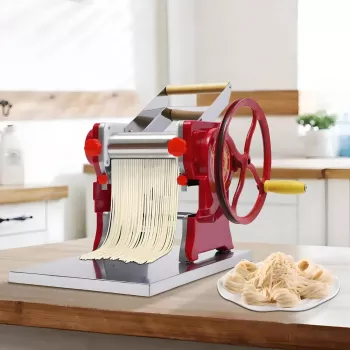
Household Manual Noodles Machine Commercial Dumpling Skin Maker: Consistent Sheets, Wrappers, and Noodles by Hand
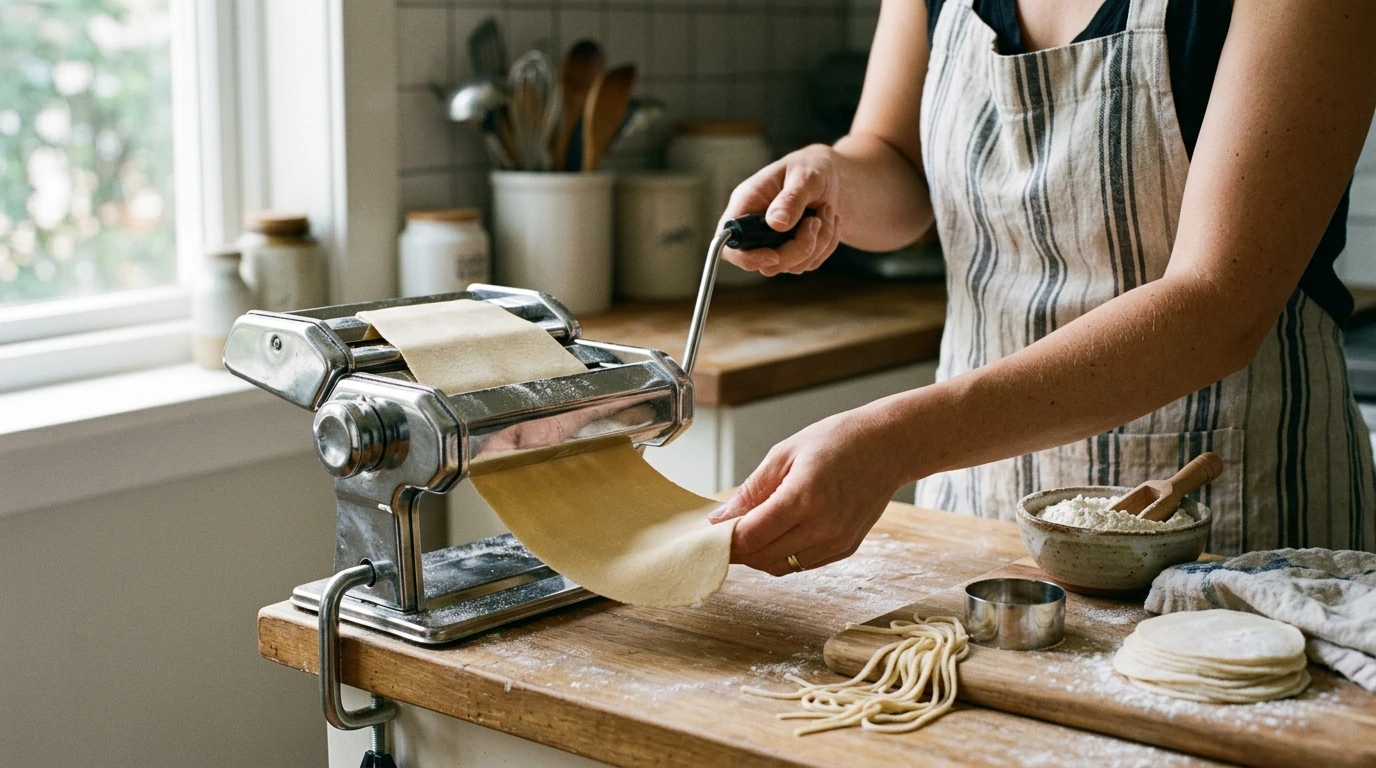
A manual noodles machine and dumpling skin maker helps turn dough into consistent sheets and noodles with less effort and more repeatable thickness. This guide covers what it does well, how to use it for dumpling wrappers and noodles, care tips for long-term performance, and practical buying considerations for home kitchens that want sturdier, higher-output results. For a dedicated option built for frequent rolling and cutting, see the Household Manual Noodles Machine Commercial Dumpling Skin Maker.
What This Machine Is Designed to Do
- Roll dough into even sheets for dumpling skins, wonton wrappers, and noodle sheets.
- Cut rolled sheets into noodles after adjusting thickness and width based on the cutter set.
- Support frequent batches by keeping thickness consistent from wrapper to wrapper.
- Reduce hand-rolling time while improving uniform cooking and texture.
Consistency is the real advantage: a stable sheet thickness makes sealing dumplings easier, helps wrappers cook evenly, and makes noodles more predictable in the pot. A manual crank also gives direct control—speed up for sturdy dough, slow down for delicate, thinner passes.
Best Uses: Dumpling Skins, Noodles, and More
- Dumpling wrappers: aim for a smooth, elastic dough; roll progressively thinner to prevent tearing.
- Fresh noodles: roll to the desired thickness, lightly flour, then run through the cutter for strands.
- Wonton and shumai skins: slightly thinner sheet than dumpling skins for delicate folds.
- Laminated dough projects (select styles): repeated folding and rolling for layered texture, depending on dough type.
If you like hosting dumpling nights, a rolling-and-cutting setup pairs nicely with a clean plating option like the Porcelain Dinnerware Set, especially when you’re serving multiple fillings and sauces family-style.
Quick Start: Setup and First Pass
- Anchor the machine securely to a stable counter or table so cranking stays smooth.
- Start with a dough that is hydrated and rested; overly wet dough smears and sticks, overly dry dough cracks.
- Begin at the widest setting for the first pass, then fold and reroll if the sheet looks rough.
- Dust lightly with flour as needed; too much flour can dry edges and cause cracking.
A helpful habit is to keep a small bowl of flour beside the machine and dust using your fingertips rather than dumping flour onto the sheet. This prevents dry “flour pockets” that show up as weak spots when you seal dumplings.
How to Make Dumpling Skins That Stay Round and Even
- Portion dough into small pieces and pre-flatten into a disk before feeding into rollers.
- Roll gradually: decrease thickness one step at a time rather than jumping to the thinnest setting.
- Keep the sheet lightly dusted to prevent sticking; brush off excess flour before filling.
- Cut circles with a cutter for uniform wrappers, or portion sheet strips and fold/stack carefully before cutting.
For round wrappers, cutting is usually faster and more consistent than trying to “steer” dough into a perfect circle. After cutting, keep wrappers covered with a towel (or plastic wrap) so the edges don’t dry out before sealing.
Thickness Guide for Common Dough Tasks
- Use thicker sheets for hearty boiled dumplings that need strength during sealing and cooking.
- Use thinner sheets for pan-fried dumplings to crisp well and avoid doughy centers.
- For noodles, match thickness to cooking method: thicker for chewy soup noodles, thinner for quick-cooking strands.
- If edges tear, increase thickness slightly and rest dough longer to relax gluten.
Practical Thickness Targets (Starting Points)
| Task | Sheet Thickness | Notes |
|---|---|---|
| Boiled dumplings | Medium | Stronger wrapper helps prevent bursting during boiling |
| Pan-fried dumplings (potstickers) | Medium-thin | Crisps faster; avoid overfilling to prevent leaks |
| Wonton wrappers | Thin | Dust and separate to prevent sticking; cook quickly |
| Hand-cut style noodles (after rolling) | Medium | Cut after a light flour dusting to prevent clumping |
| Fine noodles | Thin | Watch for sticking; separate strands before cooking |
Dough Tips That Prevent Sticking and Tearing
- Rest dough 20–40 minutes (covered) so it relaxes and rolls without springing back.
- Adjust hydration slowly: add water by teaspoons if cracking; add flour in small pinches if tacky.
- Use a light, even dusting on rollers and dough; wipe off buildup to avoid gummy residue.
- If dough smears on rollers, pause and let the sheet surface dry slightly before continuing.
Cleaning and Care for Long Service Life
For general kitchen sanitation and the difference between cleaning and sanitizing, refer to USDA guidance: Kitchen Cleaning, Sanitizing, and Disinfecting.
Safety and Food-Handling Basics
If you’re working with meat fillings, cook to safe internal temperatures and avoid cross-contamination; USDA’s temperature chart is a reliable reference: Safe Minimum Internal Temperatures.
Troubleshooting Common Problems
Who This Style of Machine Fits Best
If your routine includes weekly dumplings or fresh noodles, a sturdy manual roller/cutter setup like the Household Manual Noodles Machine Commercial Dumpling Skin Maker can turn prep from an all-afternoon task into a repeatable, assembly-line process—without giving up the homemade texture.
FAQ
Can the same machine make dumpling skins and noodles?
Yes. Roll the dough into sheets first for wrappers, then (if a cutter is included) switch to the cutter to turn a sheet into noodles. The key is choosing the right thickness setting for the end result and lightly flouring to prevent sticking.
Why does dough tear or crack when rolling?
Tearing usually comes from dough that’s too dry, not rested long enough, or rolled down to thin settings too quickly. Add water in tiny amounts, rest the dough covered, and reduce thickness one step at a time to keep the sheet elastic.
How should a manual noodle machine be cleaned?
Brush and wipe off flour and dough bits promptly after use, and avoid water on parts not meant to be rinsed. Let stuck dough dry, then brush it away, and store the machine dry to reduce the risk of corrosion.















Leave a comment