Irregular Tufted Scenery Rug: Calm Bedroom Styling Guide
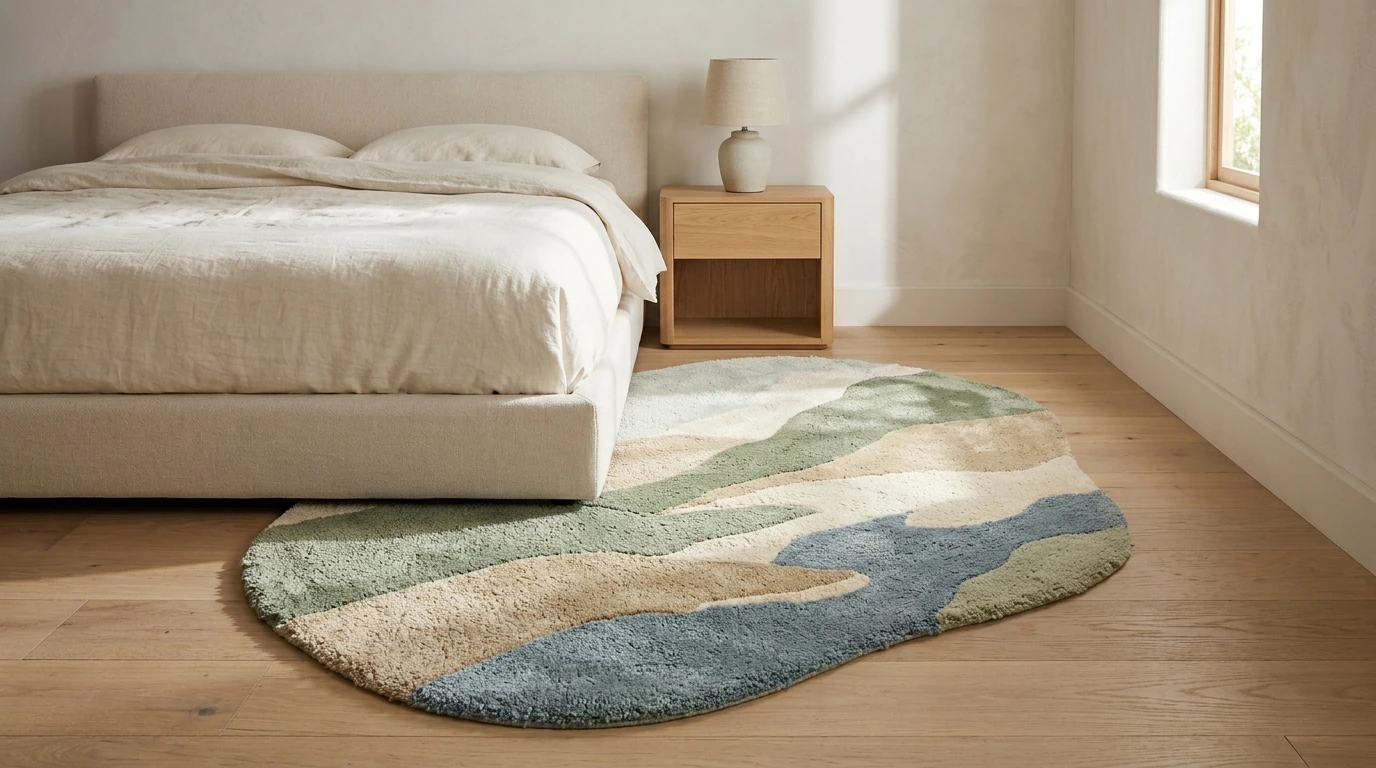
Irregular Tufted Scenery Bedroom Rug: A Soft Statement for Calm, Collected Spaces
An irregularly shaped tufted rug can shift a bedroom from basic to intentional—adding softness underfoot, visual movement, and a focal point that doesn’t feel overly formal. A scenery-inspired design brings a quiet, artful presence to the floor, especially in rooms where bedding and walls stay simple. Below are the practical details that make this style work: what sets it apart, where it looks most natural, how to size and place it, and the care habits that keep the pile looking fresh.
What makes an irregular tufted scenery rug different
An irregular tufted scenery rug stands out because it doesn’t rely on perfect symmetry to look “finished.” Instead, it creates an easy, layered feel that suits bedrooms—spaces that should look put-together, but still relaxed.
- Irregular outline: Curved or uneven edges break up the straight lines of beds, dressers, and walls, helping a bedroom feel less boxy and more composed.
- Tufted pile comfort: Tufting adds cushion and texture, which is most noticeable in the first steps out of bed.
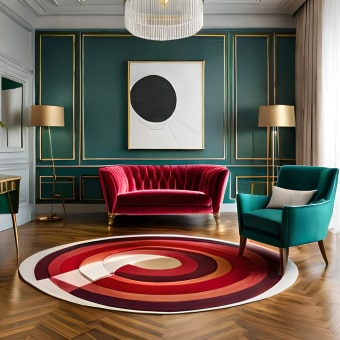
- Scenery-inspired patterning: The motif reads like wall art for the floor, making it ideal when the rest of the room is minimal or monochrome.
- Flexible styling: It can be a single statement rug or the top layer over a larger, lower-profile base rug.
Best bedroom placements that look intentional
Irregular rugs look best when the placement feels deliberate—like it’s defining a zone or guiding the eye—rather than being forced into perfect alignment. Use furniture edges and consistent spacing as your “anchors,” then let the organic outline do the styling.
| Placement | Best for | Quick tip |
|---|---|---|
| Beside the bed | Comfort underfoot | Leave 2–6 in (5–15 cm) from the bed frame for breathing room |
| Foot of the bed | Balanced styling | Let the irregular edge face outward into the room |
| Reading corner | Zoning a nook | Keep front legs of chair on the rug for cohesion |
| Dresser/vanity | Softening hard flooring | Avoid high-pile under rolling stools; keep edge away from drawers |
- Beside the bed: A single side placement is an easy way to add softness without committing to a large under-bed rug. The asymmetry also complements an irregular silhouette.
- At the foot of the bed: Center it slightly off-axis so it echoes the rug’s shape rather than forcing symmetry. This is especially effective if the pattern feels like a landscape or abstract “view.”
- Reading corner: Pair the rug with an accent chair and a lamp to create a calm, self-contained nook—ideal for bedrooms that double as a decompression space.
- Dresser area: A tufted rug softens the feel of a dresser wall. Just keep enough clearance so drawers open freely and the rug edge doesn’t get caught.
Sizing and visual balance
With irregular shapes, the “size” can feel different than the measurements suggest. Use the rug’s longest span as a starting point, then decide what relationship it should have with the furniture around it.
- Go slightly oversized when possible: Irregular rugs often look more intentional when they have presence. Too small can read like a floating bath mat rather than a design piece.
- Create one clear alignment: Either let the rug visually relate to the bed’s width (even if it doesn’t match it exactly), or use it to anchor a defined zone like a chair-and-lamp corner.
- Small bedroom strategy: Choose a placement-focused size (bedside, foot-of-bed, or corner) rather than trying to force a full under-bed layout.
- Layering tip: If you love a layered look, place a flatwoven or low-profile base rug underneath and set the irregular tufted rug on top as the highlight.
Texture, comfort, and everyday practicality
Bedrooms are barefoot rooms. That’s why tufted rugs are such a natural fit: they add warmth and reduce the “hard” feel of wood, tile, or laminate.
Care and cleaning habits that preserve the pile
- Vacuum weekly: Use a setting appropriate for rugs; avoid harsh beater-bar agitation if the pile is delicate.
- Blot spills fast: Use a clean cloth and blot—don’t rub—so liquid doesn’t push deeper into fibers.
- Spot-test cleaners: Follow the care label guidance; when in doubt, test any cleaner on a hidden area first. The FTC Care Labeling Rule is a useful reference point for how care instructions are intended to guide consumer maintenance.
- Deep refresh carefully: Lift and shake smaller rugs outdoors when possible to release fine dust, and allow the rug to fully dry if any moisture is used. For broader upkeep best practices, the Carpet and Rug Institute offers general cleaning and maintenance guidance.
Styling ideas for a calm, scenery-inspired bedroom
Product highlight: Irregular Tufted Scenery Bedroom Rug
Quick details
| Item | Details |
|---|---|
| Name | Irregular Tufted Scenery Bedroom Rug |
| Price | 86.51 USD |
| Availability | In stock |
| Product page | View product |
Another simple home upgrade to complement a refreshed space
- Porcelain Dinnerware Set (in stock): a tidy, practical upgrade that fits modern, neutral styling.
FAQ
Will an irregular-shaped rug look off-center or messy in a bedroom?
It won’t look messy when it’s placed with intention. Align the rug’s longest span with the bed or a defined zone, keep consistent spacing from furniture, and use a rug pad so it doesn’t shift out of position.
Should a tufted bedroom rug be used with a rug pad?
Yes—a rug pad improves slip resistance, adds comfort, and helps the rug lie flatter. It can also reduce friction wear and offer an extra layer of floor protection.
How is a tufted rug best cleaned for everyday maintenance?
Vacuum weekly using the right setting, blot spills immediately, and spot-test any cleaner before wider use. Rotating occasionally helps even out wear and fading, and avoiding aggressive agitation helps protect delicate pile.











Leave a comment