10-Minute Reset: Cleaning Motivation for a Tidy Mind
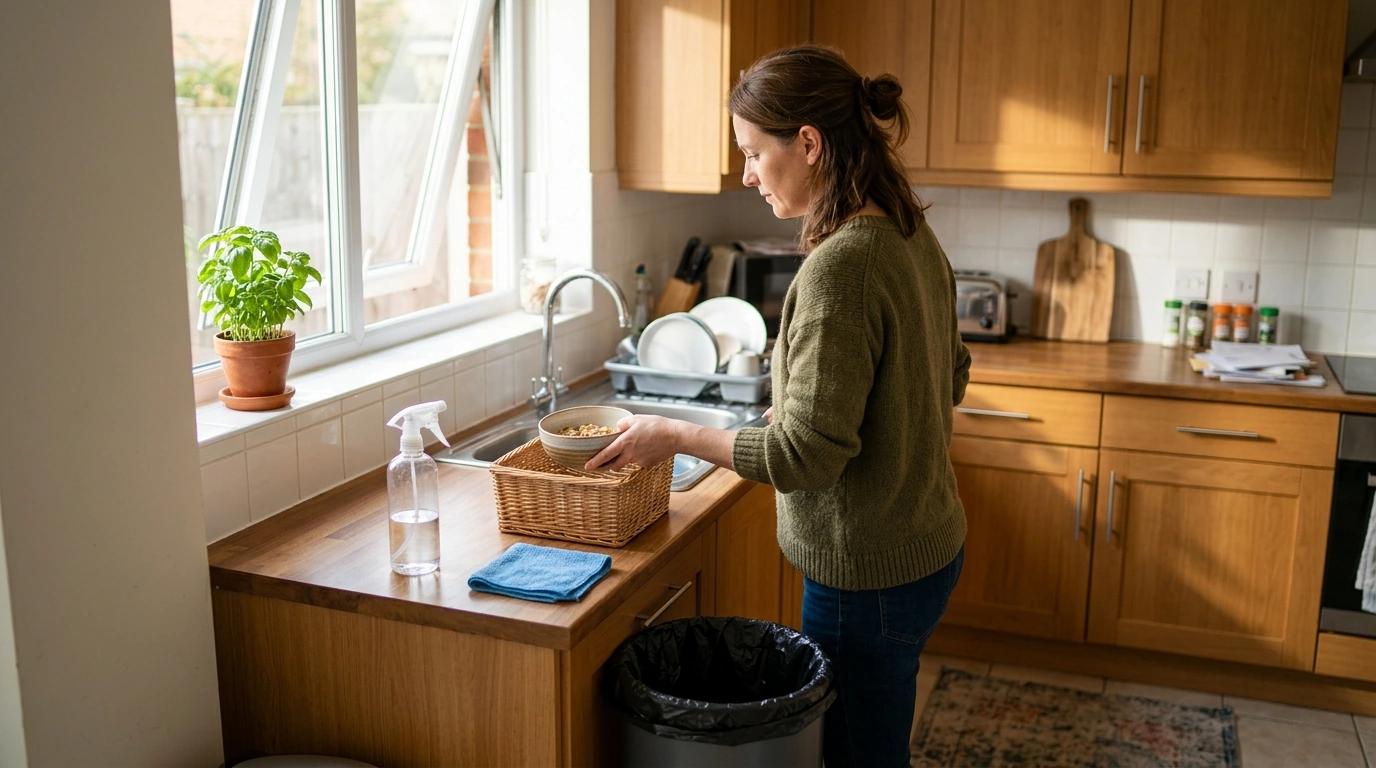
Clean House, Clear Mind: Simple Motivation for a Tidy Life
A tidy space can feel like a reset button, but motivation doesn’t always show up on demand—especially when the mess feels bigger than the time or energy available. The most reliable way to get moving is to make cleaning smaller, clearer, and more rewarding: choose a tiny start, remove decision fatigue, and use short, repeatable routines that build momentum without burnout.
Why cleaning feels so hard (and why that’s normal)
When a home feels chaotic, it’s not just “stuff.” It’s also mental noise.
- Mess creates visual “open loops” that keep your brain scanning for unfinished tasks, which can feel exhausting before you even begin. Stress itself is commonly described as a response to demands that feel hard to manage—especially when they pile up. (See the APA Dictionary of Psychology.)
- Motivation often follows action, not the other way around. Waiting to “feel like it” can keep the cycle stuck.
- All-or-nothing thinking (“If I can’t deep-clean, why start?”) is a common trap—micro-wins restore confidence quickly.
- Decision overload (What first? Where do I put this?) drains energy; a simple order of operations reduces friction.
The 10-minute ignition: a start that almost always works
If cleaning feels heavy, use a start that is so contained it feels safe: 10 minutes, then done.
- Set a timer for 10 minutes and commit to stopping when it ends. A defined finish line lowers resistance.
- Pick one high-visibility spot: kitchen counter, coffee table, entryway floor, or bathroom sink.
- Use the three-move sequence: collect trash → collect dishes → collect laundry. This clears the fastest clutter first.
- If you continue past 10 minutes, treat it as a bonus—not a requirement—so the habit stays easy to repeat.
If you like structure while you build this habit, the digital guide Clean House, Clear Mind: Simple Motivation for a Tidy Life – Easy Cleaning Guide for Anyone Wondering How to Get Motivated to Clean House can serve as a simple companion for daily resets.
A simple order of operations that prevents bouncing around
“Room-hopping” is where energy goes to disappear. Instead, follow a predictable sequence so your brain doesn’t have to keep re-planning.
- Work top to bottom and dry to wet: declutter surfaces first, then dust/wipe, then floors last.
- Carry one container for “belongs elsewhere” items to avoid walking back and forth; return them at the end.
- Keep supplies minimal and visible: an all-purpose cleaner, microfiber cloths, a small brush, and a trash bag cover most needs.
- Finish each session by restoring one “calm zone” (bed made, clear sink, clear table) to create immediate payoff.
Quick cleaning flow by room (pick one and follow the steps)
| Room | 5-minute focus | 10–20 minute upgrade | Finish line |
|---|---|---|---|
| Kitchen | Trash + dishes into sink/dishwasher | Clear counters, wipe surfaces, quick sweep | Empty sink and clear one counter |
| Living room | Trash + cups + quick pile of items that belong elsewhere | Fold blankets, clear table, quick vacuum high-traffic path | One clear surface (coffee table or side table) |
| Bedroom | Make bed + laundry into hamper | Clear nightstand, reset clothes, quick floor pickup | Bed made + floor clear enough to walk easily |
| Bathroom | Trash + towels into hamper | Wipe sink/counter, quick toilet swish, mirror spot-clean | Sink area clear and wiped |
Motivation hacks that don’t rely on willpower
Willpower is unreliable. Cues and routines are much easier to repeat. Habit research often emphasizes starting small and making the behavior easier to initiate than to avoid. (See Cleveland Clinic and Harvard Health Publishing.)
The “minimum tidy” routine for low-energy days
When the kitchen is your stress hotspot, a small “finish line” like a cleared counter makes a noticeable difference—especially when you’re trying to keep everyday items (like a Porcelain Dinnerware Set) easy to put away and simple to reach without shifting piles around.
Keeping it tidy: small systems that reduce future mess
A gentle guide to stay consistent when motivation dips
- Track streaks lightly: count “resets” (10 minutes) rather than hours; consistency matters more than intensity.
- If a room gets out of hand, return to the smallest loop: clear one surface, then one floor path, then one sink.
- When shame shows up, switch to neutral language: “This is a lot today” instead of “I’m failing.” The goal is progress.
- For a structured, step-by-step approach with simple prompts and routines, use the digital guide Clean House, Clear Mind as a companion to daily resets.
FAQ
How do you get motivated to clean when you’re overwhelmed?
Set a 10-minute timer, choose one visible zone (like the counter or sink), and do the trash → dishes → laundry sequence. Give yourself full permission to stop when the timer ends so starting feels safe.
What should be cleaned first when the whole house is messy?
Start with a high-impact area you see and use every day, such as the kitchen counter, sink, or entryway. Then follow a top-to-bottom, dry-to-wet order to avoid re-doing work and to keep you from bouncing between rooms.
How can a tidy home help mental clarity without becoming obsessive?
Focus on one or two “calm zones” and define a clear finish line rather than chasing perfection everywhere. Keep standards flexible and prioritize function and hygiene so tidying supports your life instead of taking it over.
















Leave a comment